
Teaching Team – Artificial intelligence and digital innovation in medicine Summer School
The Artificial Intelligence and Digital Innovation in Medicine Summer School is designed by a distinguished curriculum committee of internationally recognized leaders in medicine, as well as experts in artificial intelligence and digital health. Learn more about our teaching team and their expertise.
©UPcité
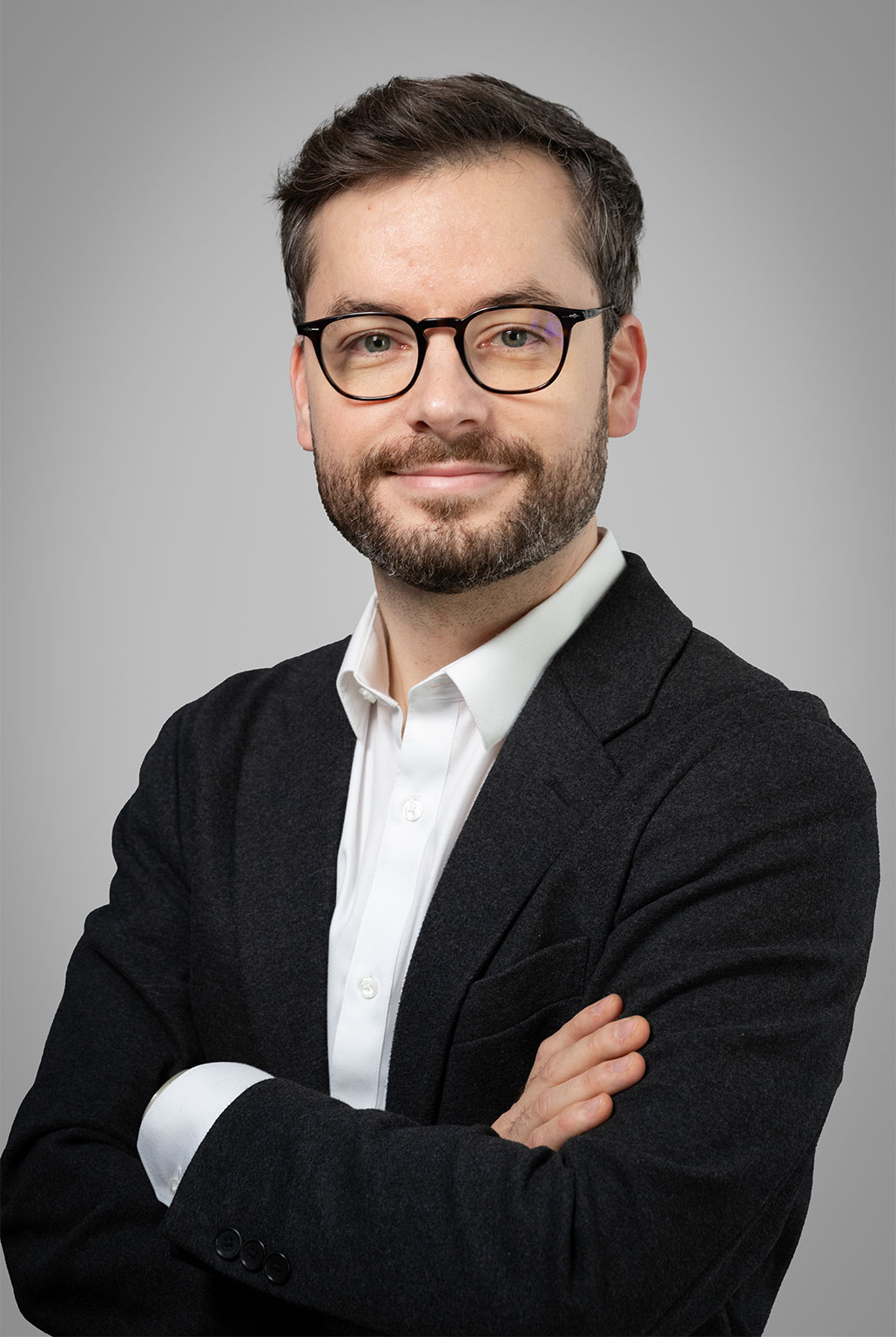 Dr Valentin GOUTAUDIER is a nephrologist actively involved in clinical and translational research, working at the Clinical Investigation Center of Georges Pompidou European Hospital (AP-HP) and the Paris Cardiovascular Research Center (PARCC). He obtained an MSc in Immunology in 2016, an MD in Nephrology in 2017, and a PhD in Data Science in 2024 (Université Paris Cité). His research focuses on therapeutics guided by precision medicine, leveraging AI-based automated multimodal phenotyping strategies and innovative biomarkers, evaluated within next-generation digital clinical trials. He served as Co-Chair of the Young Investigator Committee (2016–2020) and currently co-chairs the Artificial Intelligence and Digital Health Committee of the French-Speaking Society of Transplantation (SFT). He is also an active member of several European and international societies for organ transplantation (ESOT, TTS).
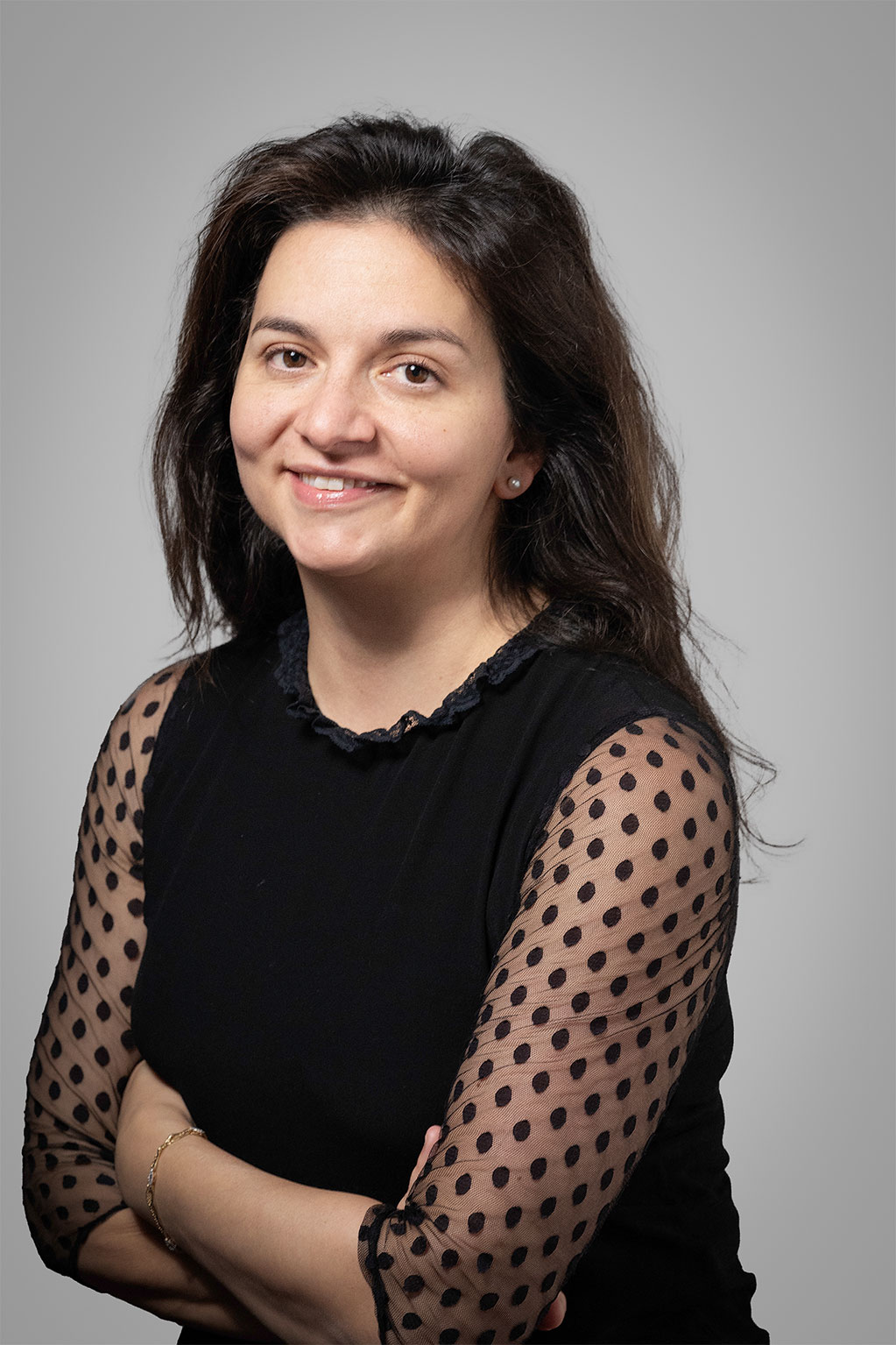 Dr Evgenia PREKA is a consultant pediatric nephrologist at Necker-Enfants Malades Hospital, Paris. Her doctorate explored the epidemiology of end-stage renal disease (dialysis and transplant) in European children, and within her post-doctoral research, she is currently integrating AI-driven biomarker discovery with the frontline care of children undergoing kidney transplantation and other rare renal diseases (PITOR, UPCité). Drawing on her consultant experience at Evelina London and fellowship at Great Ormond Street Hospital, she leads the development of European guidelines on immunosuppression in pediatric kidney transplantation and, as part of the European Society of Organ Transplantation (ESOT) AI Steering Committee, advances education about AI tools and their ethical and sustainable employment in clinical transplantation. She led the Young Pediatric Nephrologists Network (YPNN-ESPN, 2019–23) and, since 2024, serves on the International Pediatric Transplant Association (IPTA) Education Committee, delivering global training for transplant fellows.
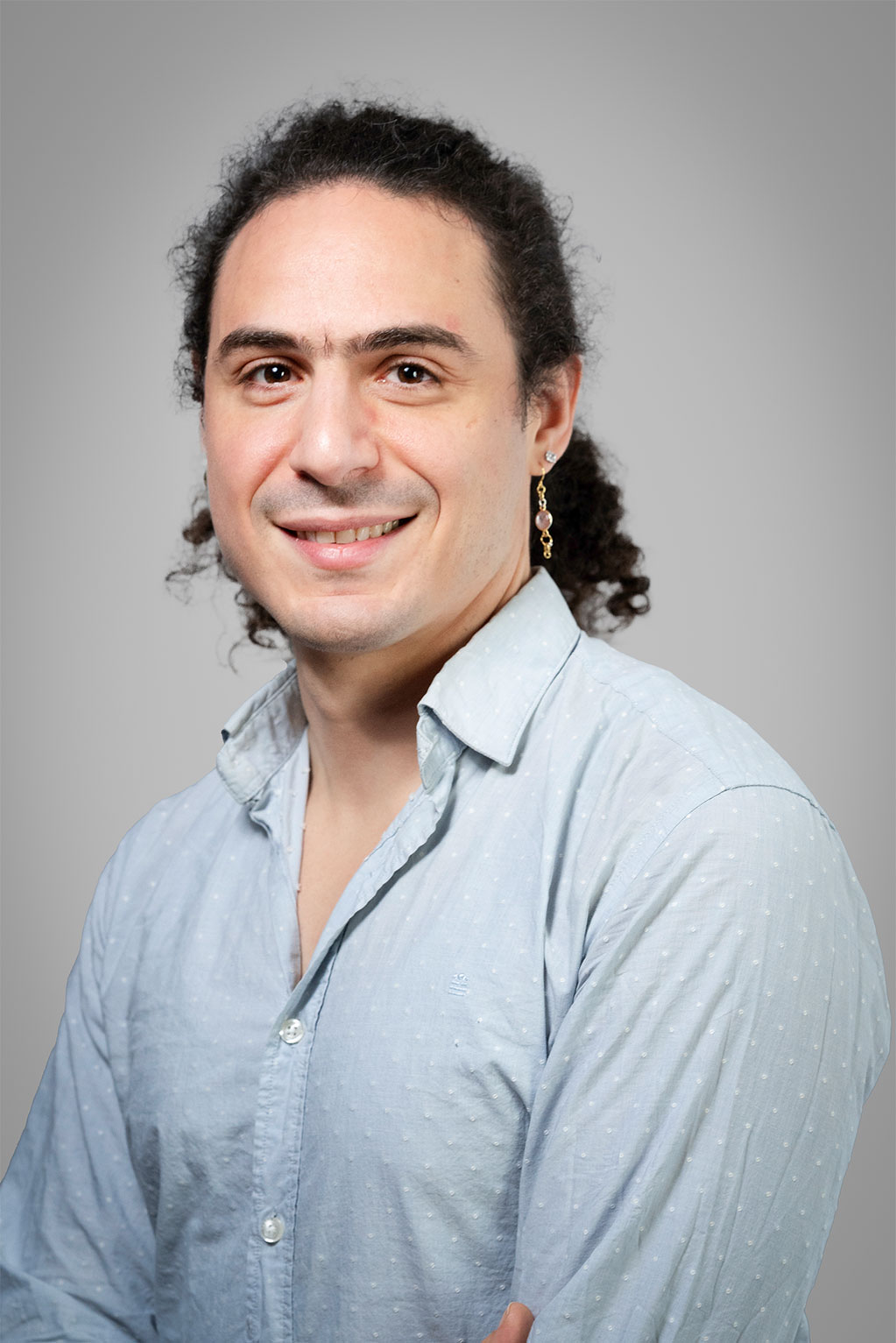
Dr Joseph BENZAKOUN is an Associate Professor at Université Paris Cité and a neuroradiologist at GHU Paris Psychiatry and Neurosciences. His primary research focuses on the application of emerging AI technologies to address clinical challenges, particularly in the field of neuroimaging. His team is a pioneer in the innovative application of generative imaging techniques to MRI, especially in the context of acute stroke. His work includes the development of synthetic imaging techniques, such as generative FLAIR and T2*-weighted images, which have shown promise in improving diagnostic accuracy and time-efficiency in stroke management.
Dr Sylvain BODARD is an Associate Professor at Université Paris Cité and a diagnostic and interventional radiologist at Necker-Enfants Malades Hospital (AP-HP) and HEGP Hospital (AP-HP), where he is deputy head of the adult imaging department. He holds an MD, a PhD in acoustics from Sorbonne Université (2025), and conducts his research at the Laboratoire d’Imagerie Biomédicale (Sorbonne Université, CNRS, Inserm). His work focuses on the clinical translation of super-resolution ultrasound (Ultrasound Localization Microscopy), with which his team produced the first in vivo images of human renal glomeruli, and on kidney and transplant imaging. In interventional radiology, his research addresses percutaneous thermal ablation of renal tumors, including in transplant recipients, the standardization of cryoablation devices, and robotic assistance for image-guided percutaneous procedures. He has also worked for several years on AI applied to medical imaging, from computer-aided detection of lung nodules to a public multi-reader reference dataset. He completed postdoctoral fellowships at Memorial Sloan Kettering Cancer Center (NY) and Massachusetts General Hospital (Harvard Medical School, Boston). He is also deeply involved in medical education at Université Paris Cité, with a particular interest in innovative teaching methods and in training clinicians to use AI tools critically and safely.
Dr Thaïs WALTER is an anaesthesiologist and intensivist, working as Chef de Clinique–Assistante in the Surgical ICU and Burn Center of Saint-Louis Hospital (AP-HP, Université Paris Cité). She obtained an MSc in Mathematics, Modelling and Machine Learning (Université Paris Cité, 2022, first-class honours) and worked as a visiting scientist at Imperial College London where she developed counterfactual methods to stress-test reinforcement learning-based treatment recommendation systems in the ICU. She is now pursuing a PhD on prone positioning in ARDS at the SODA team (Pr Gaël Varoquaux, Inria) which is a world-renowned lab for foundational models for tabular data. Her research combines bedside physiology with data science. She is the laureate of a one million euro grant from PHRC-national and is the coordinating investigator of PROSECO, a national multicentre randomised controlled trial (800 patients, 42 centres). She also leads the international French–Chilean–Australian cohort on extended prone positioning. She co-authored the European Society of Intensive Care Medicine (ESICM) course « Data Science in Intensive Care Medicine » and speaks regularly on AI in critical care at ESICM and SFAR congresses.