


In Paris, two historians’ paths crossed. One had just arrived from Ethiopia, carrying notebooks filled with daily observations written during the war in Tigray. The other, based in France, is a specialist of Ethiopian modern history. From this encounter, a partnership was born: one grounded in trust, intellectual freedom, and a shared commitment to grassroots voices. Through a cross-interview, Abraha Weldu Hailemariam and Pierre Guidi reflect on their collaboration and on the making of Abraha’s book and scholarly project The Determined Wound, developed within the PAUSE program which welcomes researchers in exile at Université Paris Cité.
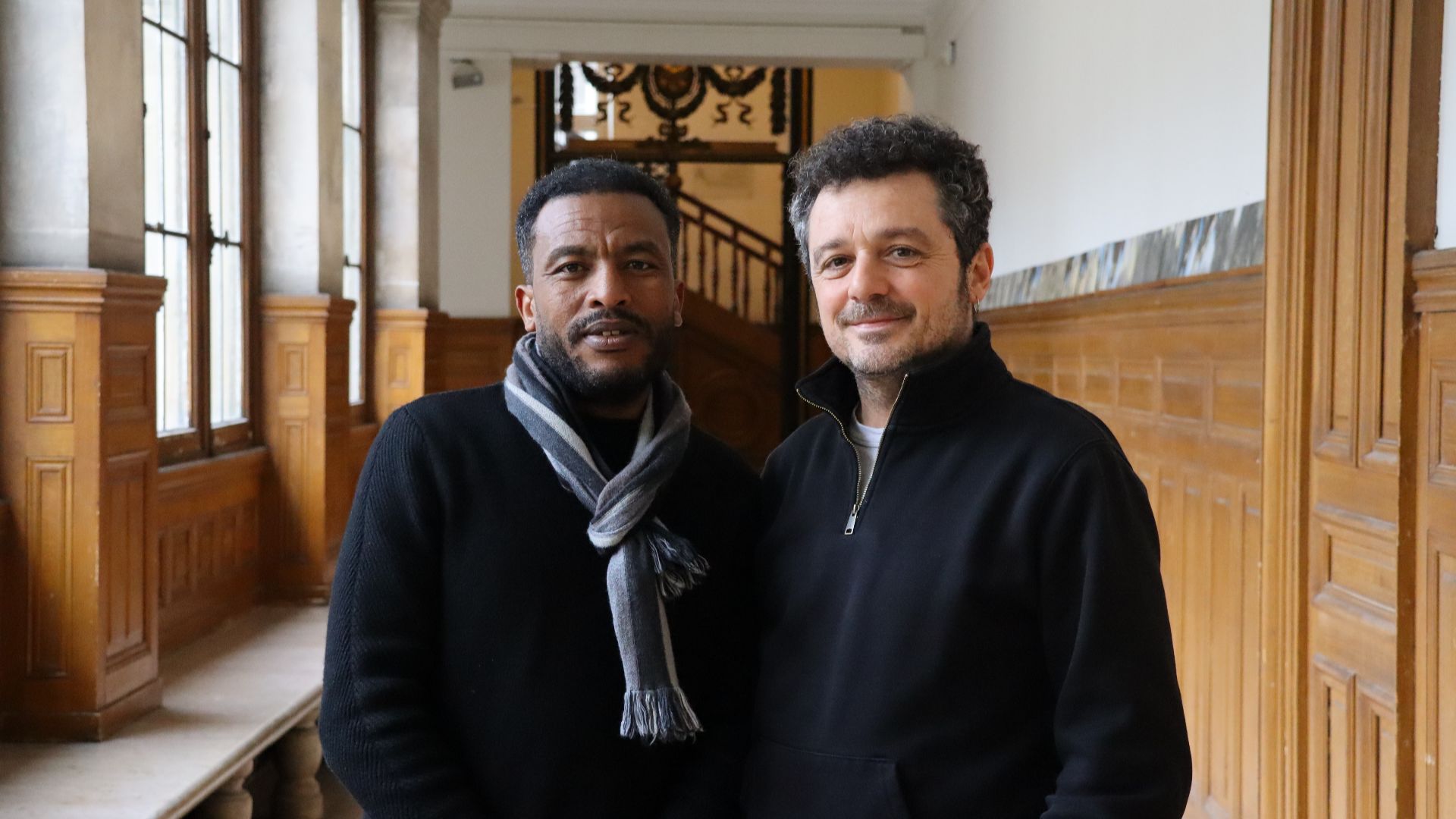
Abraha Weldu Hailemariam and Pierre Guidi
A meaningful encounter
When Pierre Guidi, research officer at Université Paris Cité and the IRD (CEPED research center), met Abraha Weldu Hailemariam in May 2023, Abraha had just arrived in France from the war in Tigray¹. Their partnership quickly grew out of a shared interest in Ethiopian history, conflict studies and a common ethical perspective.
Pierre: “We met at a seminar organized by Elena Vezzadini at the Institut des Mondes Africains. The discussion was about popular history and how to write history from below, presented by Noor Nieftagodien. We realized that Abraha and I shared an interest in understanding social dynamics not from the elites, but from the people, from the popular classes.”
Abraha: “His [Pierre’s] interest in Ethiopian history and the conflict was a chance to deepen our collaboration. From that moment on, we began working very closely together. It was with his support that I joined Université Paris Cité through the PAUSE² program, and since then we have been discussing together on issues related to the war in Tigray.”
The Determined Wound : Turning a Diary into Social Science
Before becoming a book, The Determined Wound was a set of handwritten notes, written day after day by Abraha during the war that began in 2020.
Pierre: “Abraha told me that throughout the war, he wrote a diary. He was writing daily what was happening, the discussion he had with people, what he was witnessing.”
Over time, this diary became the foundation of a scientific work. Titled The Determined Wound – Grassroots Voices From the Tigray War – A Diary Account, the book draws on both Abraha’s own experience and on the voices of those around him, enriched by his expertise as a historian. It is set to be published by Red Sea Press during 2026.
Abraha: “It’s not only my own experience, it is an experience of people at the grassroots, the ordinary communities […]. I try to integrate various themes, especially gender issues, survival strategy, mobilization, memory, hope. […] while challenging the dominant narratives; I want to support justice and reconciliations.”
Pierre saw in Abraha’s work an ethical position that carries political weight.
Pierre: “Abraha’s aim was not to write the history of a single camp, but to record everything he witnessed. Without judgment. […] It is important for us to write the history of the ordinary people who faced contempt and violence from the elites on both sides, who dragged them into an extremely deadly war. And it seems obvious. Sometimes, we forget obvious things that are important.”
A Partnership Built on Care and Integrity
Behind the completed manuscript unfolds a human story shaped by trust, support, and intellectual freedom. Abraha highlights the decisive role of Pierre’s guidance in transforming a personal diary into a scholarly work, while Pierre was deeply impressed by Abraha’s determination and commitment. At the heart of Abraha’s project lies a dual motivation : both personal and scientific.
Abraha: “My motivation is professional as well as personal: personal as a survivor and professional to preserve historical memory. […] I realised the importance of documenting events. I dreamt of publishing it, but a dream alone cannot succeed without the support of people like Pierre. When I met Pierre, he encouraged me to turn my dream into reality.”
Pierre: “Writing was not easy for Abraha, of course. It was a difficult exercise. But the process went ahead very well.”
Abraha: “Pierre is like a friend. More importantly, Pierre created the conditions that made writing possible. […] He encouraged me to frame my diary and gave me the freedom to work responsibly and with integrity. That is essential in documenting issues which are very politically sensitive, you need freedom.”
The PAUSE program launched at UPCité created the necessary conditions for undertaking this delicate historical work. Combined with Pierre’s support and commitment it enabled Abraha the opportunity to document the resilience, resistance, and political awareness of the Tigray people, while emphasizing the necessity of writing history “from below”. This approach preserves not only events and facts but also placers the voices and experiences of those who endured it at the heart of the narrative.
¹The Tigray War
The Tigray War, which broke out in November 2020, pits the Ethiopian government and its allies against the Tigray People’s Liberation Front (TPLF). The conflict arose from a deep political rift between the central government and the regional authorities in Tigray. It has caused a severe humanitarian crisis, marked by mass civilian displacement, shortages, and numerous human rights violations. Altough a ceasefire agreement signed in November 2022 ended the fighting, political tensions remain, and many displaced people are still waiting to return safely to their homes.
²What is the PAUSE programme?
At Université Paris Cité, the PAUSE programme offers refuge and protection to researchers, PhD candidates, and artists forced into exile and unable to pursue their work in their home countries. Led by research laboratories and the International Relations Department, supported by the French Ministries for Europe and Foreign Affairs and for the Interior, this national program offers more than an administrative assistance for these researchers forced to leave their country : it allows them to continue their work that was interrupted in a secure environment, and to rebuild their scientific trajectory. By welcoming several scholars at risk each year, Université Paris Cité reaffirms its commitment to academic solidarity, academic freedom, and universal values.
Contact
Read More
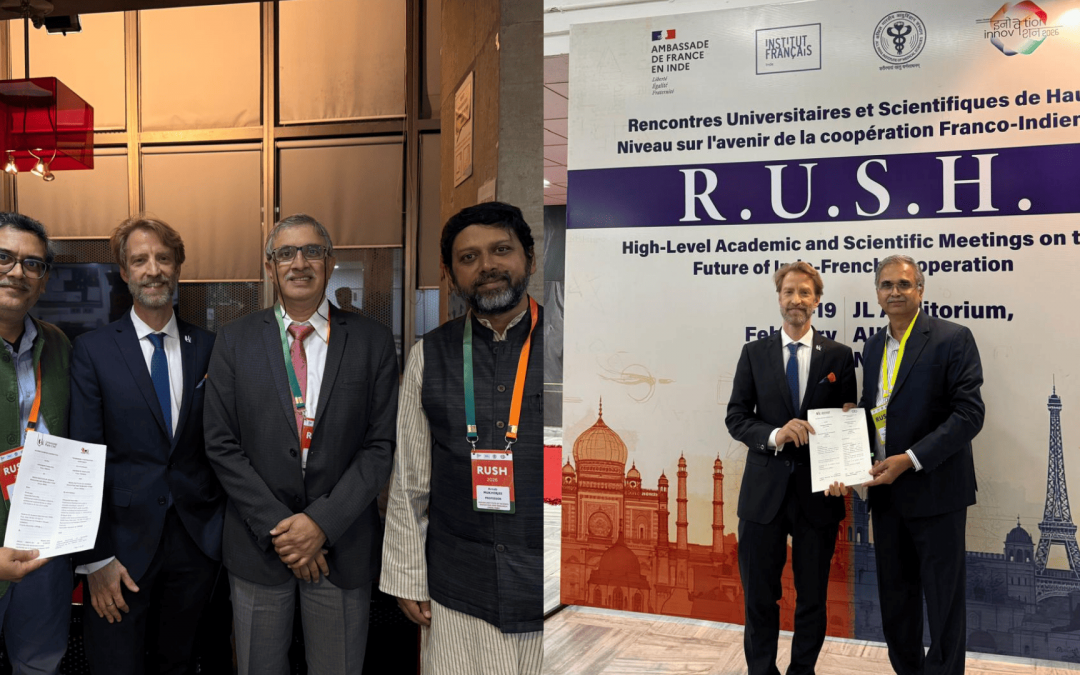
The Indian Institute of Science Education and Research in Pune and the Indian Institute of Technology in Bombay: UPCité’s first partners in India.
Antoine Kouchner, Vice-President of Strategy and International Relations at Université Paris Cité, travelled to India for the official visit of the President, Emmanuel Macron, to the High-Level Scientific and Academic Meetings (RUSH). In this context, UPCité...
read more
International Day of Women and Girls in Science: celebrating the women who push research forward
February 11 was the International Day of Women and Girls in Science. On this day, Université Paris Cité reaffirms its commitment to the equality between men and women and celebrates the journey of the women who advance research. Between celebrating our heritage and...
read more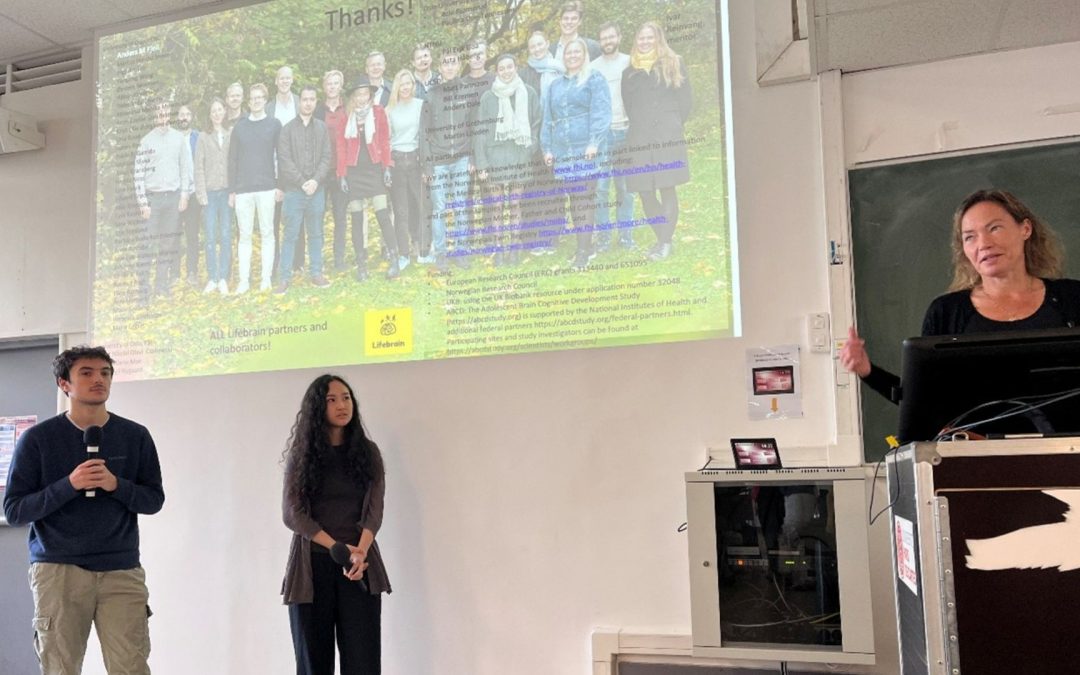
INC Day 2025: an international scientific day dedicated to neuroscience
The Neuroscience and Cognition Institute of Université Paris Cité (INC) organized a new edition of the INC Day, focused on neurodevelopmental trajectories. A key partner of the event, the Graduate School Neuroscience invited its first year and second year master...
read more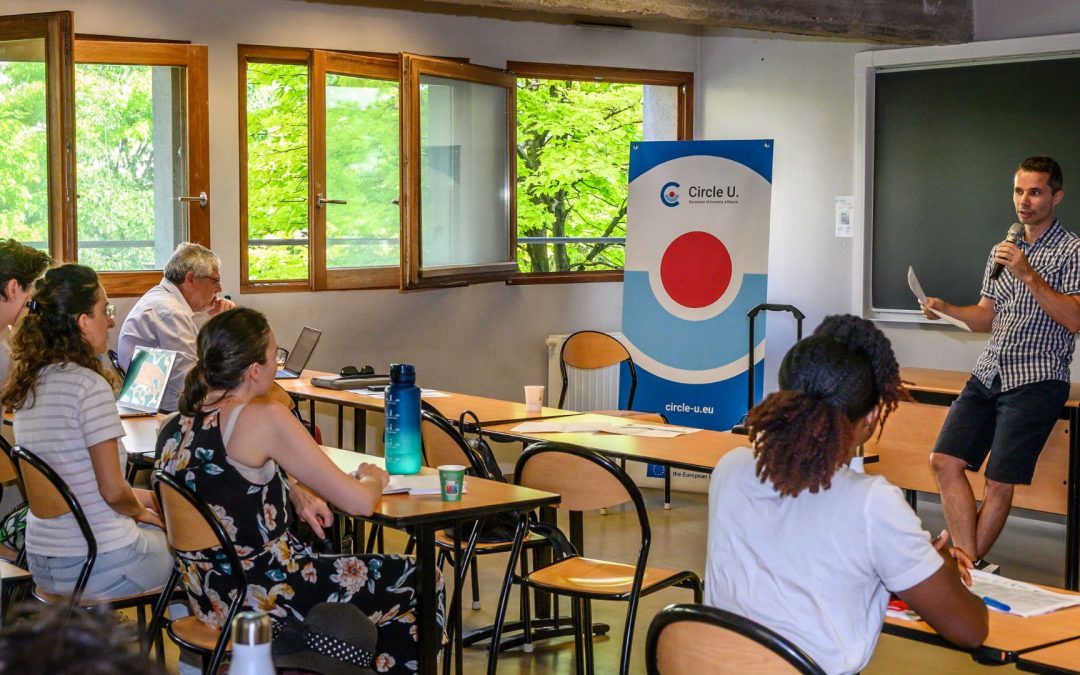
Apply for the Circle U. Summer schools
Are you studying at Université Paris Cité? Do you want to boost your CV while discovering a new country this summer? You can apply to one of the summer schools organised by Circle U., the European alliance of our university. Every year, the Circle U. summer schools...
read more