


In May 2024, as part of the IdEx, Université Paris Cité and its privileged partner King’s College London launched their third call for research projects, fostering the “universities in a European capital” theme.
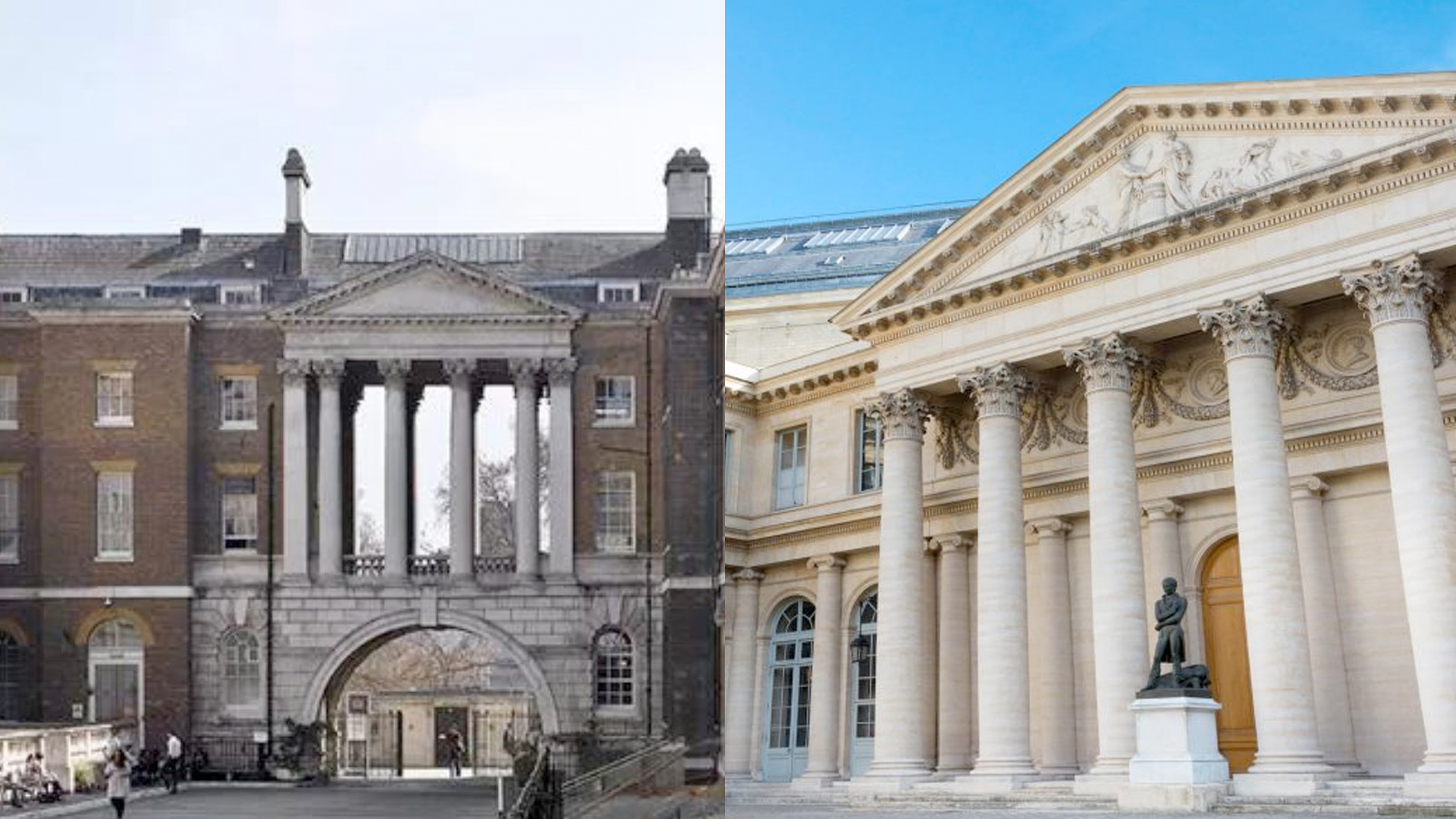
King’s College, London & UPCité
Since the partnership was launched in 2019, three Université Paris Cité – King’s College London calls for projects have been put in place. These calls aimed to promote and strengthen scientific collaboration between teams from King’s College London and Université Paris Cité around both disciplinary and interdisciplinary challenges focusing on politics and culture between the cities of Paris and London.
The submitted projects strive to contribute to the development of science, knowledge sharing and educational innovation in a collaborative mode.
Results 2024
The overall financial envelope for this call of 2024 included €75,000 from Université Paris Cité and €75,000 from King’s College London. Projects will be funded for a 10-month period from September 2024 to June 2025.
The selection criteria included the potential for developing scientific exchanges beyond the current call.
“The large number of applications received testifies to our colleagues’ interest in this partnership, and gives it a new dynamic that both establishments are delighted to support”, says Antoine Kouchner, Vice-President Strategic International Relations at Université Paris Cité.
“We are pleased to foster new and developing research collaborations between our two institutions, and are delighted by the strong response from our academic community to this call”, states Professor Funmi Olonisakin, Vice President, International, Engagement & Service at King’s College, London
A total of 25 applications were submitted jointly by UPCité and Kings College London across disciplines (including 5 in health, 4 in humanities and 16 in science). The joint evaluation committee selected 7 projects.
Recipients
UPCité PI/Kings College London, PI
Faculty of Health
Amélie COUDERT/Agi GRIGORIADIS
Exploring the role of gut and oral microbiota in bone loss in cherubism disease
Sarah GALLOIS-MONTBRUN/Monica AGROMAYOR
RNA Granules in Action: Dynamic Analysis During Viral Infection
Faculty of Sciences
Joao COELHO/Teppei KATORI
Uncover the mystery of neutrino universe
Isabelle KLEINER/Maria Eugenia SANZ
Evolution of atmospheric pollutants in the atmosphere: bridging the gap from clusters to aerosol formation
Samuela PASQUALI/Konstantin ROEDER
Investigating structural ensembles of viral RNA for drug design
Xiaonan SUN/Ismael Perez DIEZ
Comparing charge transport properties of Single- and Nano-scale biomolecular junctions
Jonathan VACHER/Andrew MESO
Modelling selective and integrative mid-level neural computations that serve vision in naturalistic scenes
Contact
International Relations Head Office
internationalisation.iro@u-paris.fr
Read more
Finale Ma Thèse en 180s : le 31 mars 2026, votez pour le prix du public
Humour, poésie, jolies histoires... 15 candidates et candidats représentant l’Alliance Sorbonne Paris Cité (ASPC) au concours Ma Thèse en 180 secondes s’affronteront en finale locale devant les jurys et le public, le 31 mars 2026 à 18h30. La finale sera retransmise en...
read more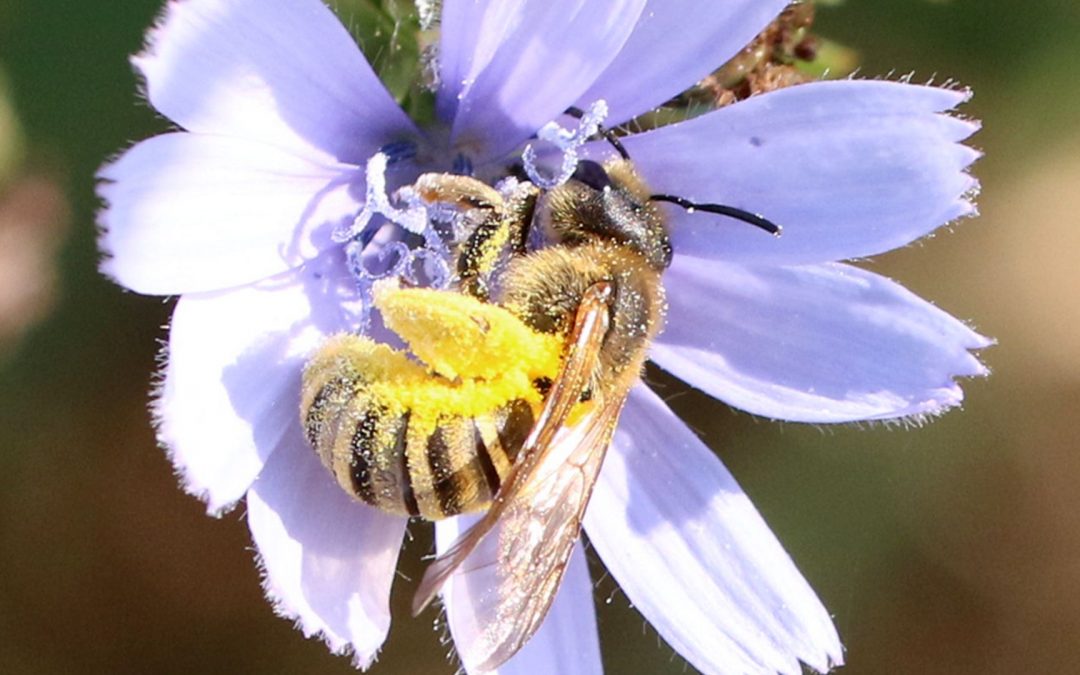
One in ten European bee species at risk, new biodiversity warning
The new european red list of bees published on February 26th catalogs almost 2000 species and draws a worrying observation that 172 species in Europe are now endangered. 10 years after a first partial assessment, our understanding of the situation has become much...
read more
Journée Mondiale de la Santé 2026
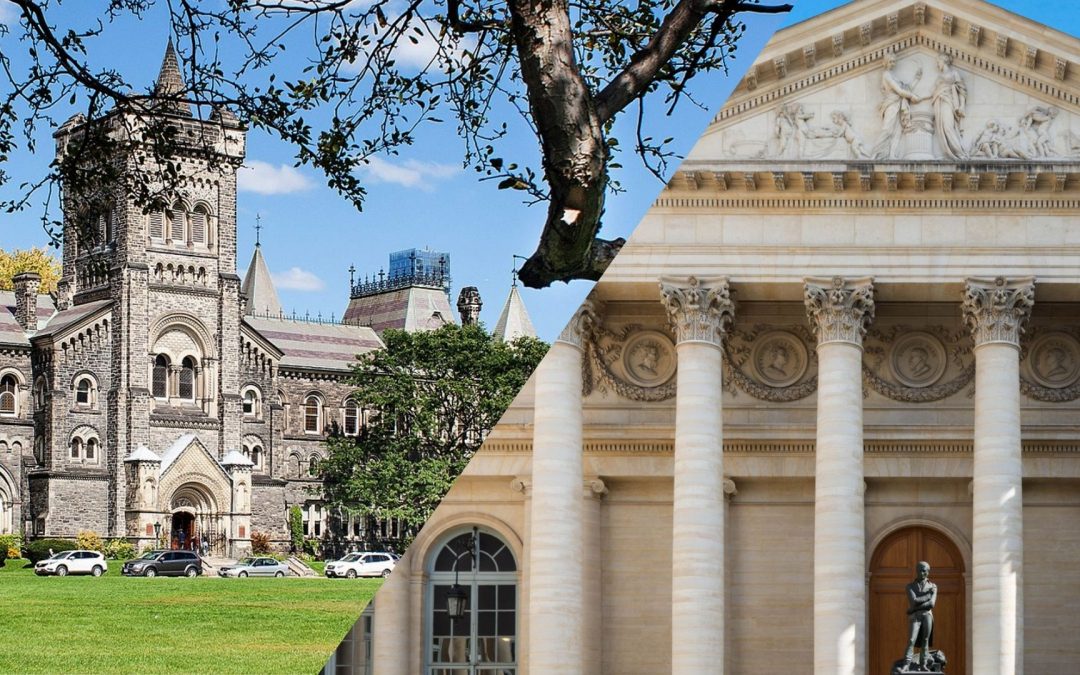
Research Call for Proposals 2026 Université Paris Cité – University of Toronto
As part of the strategic partnership between Université Paris Cité (UPCité) and the University of Toronto (U of T), a new research call for proposals is launched for 2026. The submission deadline is May 13, 2026. Two previous calls were held in 2024 and 2025, with a...
read more