

The new european red list of bees published on February 26th catalogs almost 2000 species and draws a worrying observation that 172 species in Europe are now endangered. 10 years after a first partial assessment, our understanding of the situation has become much clearer and the results confirm the extent of the decline.
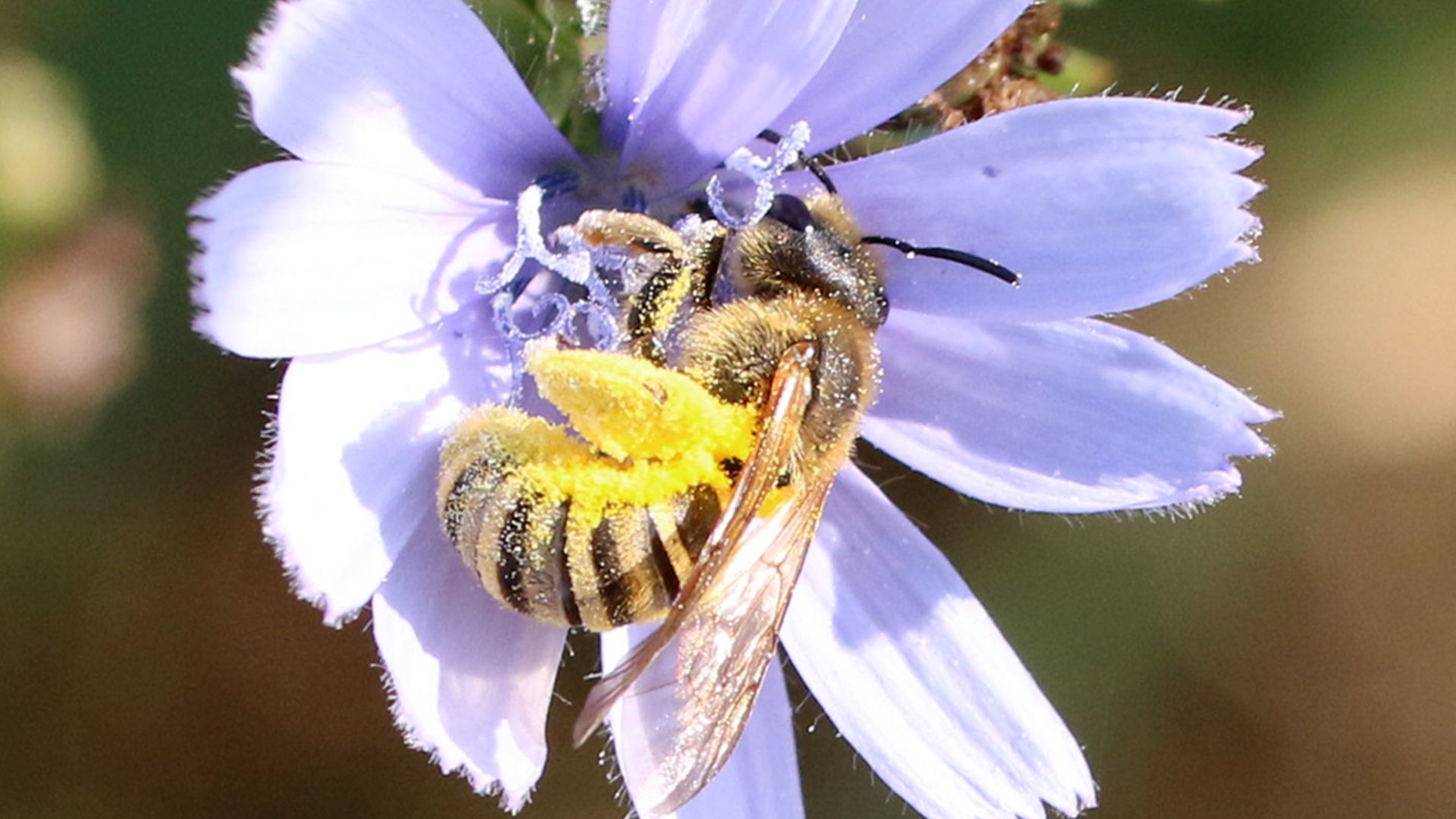
An halictus foraging.
© Aurèle B.
Université Paris Cité’s Europe-wide expertise
This reassessment led by an extended international scientific consortium benefited from Adrien Perrard’s contribution (lecturer-researcher at Université Paris Cité within the iEES-Paris laboratory, ‘Institut d’Écologie et des Sciences de l’Environnement de Paris). He is the person responsible for data collection and the synthesis of expert knowledge for a group of species, the Ancylaini.
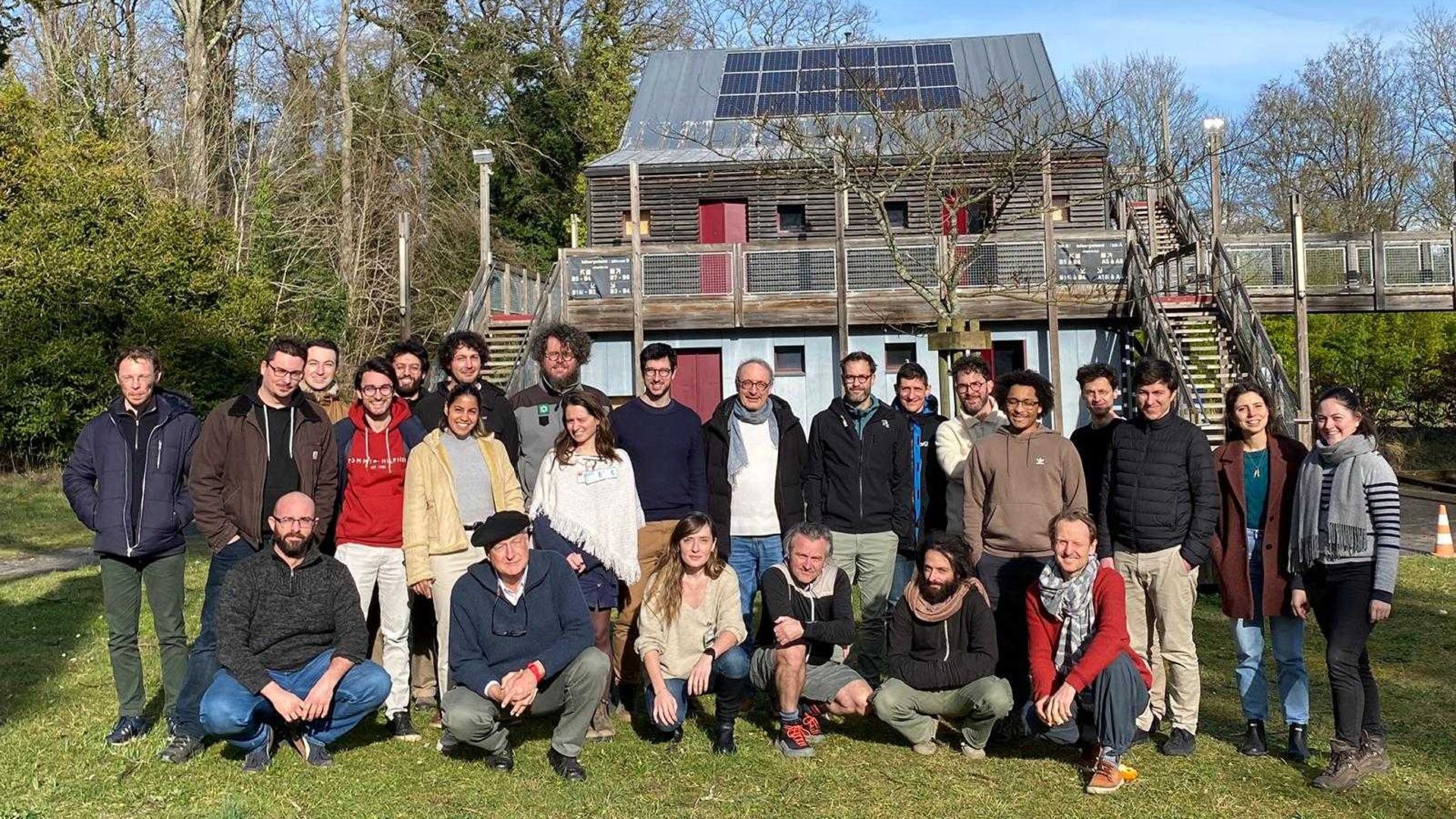
Aside from Europe, Université Paris Cité is also implied in assessing the status of the 983 species in France. The first red list of bees in France should be published by the end of 2026 and is coordinated by the French National Museum of Natural History. Recently, national experts have met at the Station of Forest Ecology of Fontainebleau, affiliated with Université Paris Cité, to conclude these assessments.
An alarming update regarding the condition of pollinators in Europe
In 2014, the first European assessment identified 72 species in immediate danger of extinction, but due to insufficient data, it was only covering a part of the known species.
The red list published in 2026 now reveals that, during the next decades, at least 172 species of wild bees are endangered in Europe. Among the best documented species, more than one out of four is on the decline whereas only one out of sixty shows positive momentum. This collaborative effort is based on an analysis of the species’ needs, their geographical distribution and the environmental pressures they face.
“This study has enabled us to identify the main causes of these declines, some of which are directly linked to societal choices at a continental level, such as the agricultural models we support or urban development,” explains Adrien Perrard.
The main threats identified are:
- the intensification of agriculture (monocultures, exposure to pesticides and fertilisers, and soil degradation) affecting 608 bee species (including 109 endangered species);
- climate change and the increase in extreme events (droughts, floods, frequent fires, etc.), altering species distribution and disrupting the synchronisation between bees and the plants they pollinate;
- the destruction and fragmentation of habitats linked to intensive farming and urbanisation;
- and the use of chemical pollutants such as insecticides, herbicides and microplastics, which have toxic effects on bee survival.
A major ecological and societal challenge
Bees play a central role in the pollination of the vast majority of wild plants and a significant proportion of agricultural crops. Their diversity – with over 2,000 species in Europe and nearly 1,000 in France – is a key factor in the resilience of ecosystems.
Today, the homogenisation of pollinator communities is compromising plant reproduction, reducing seed yields and the quality of the fruit and vegetables produced. Plants could thus see their ability to adapt to global changes weakened, even as these changes have already begun to affect them.
The economic value of pollination, estimated at between €5 and €15 billion a year in Europe, could also decline. In practical terms, these trends point to an even more complex ecological transition in agriculture, due to the lack of essential support from pollinators. This risks further undermining farmers and, in the long run, leading to higher prices for fruit and vegetables for consumers.
Beyond the economic implications, the decline in bee populations is a broader indicator of the erosion of biodiversity and the degradation of natural habitats.
How to reverse the trend?
The red list is not merely a snapshot of the current situation. “It serves as a warning and a guide to help decision-makers navigate their choices regarding efforts to conserve our natural heritage,” explains Adrien Perrard.
Several key areas have been identified:
- the restoration and protection of natural habitats;
- the diversification of agricultural crops;
- the reduction in the use of pesticides and fertilisers;
- raising awareness and disseminating scientific knowledge to the general public.
The work currently underway on the French Red List will enable these priorities to be refined at a national level and conservation actions to be better targeted.
In the face of mounting environmental pressures, this new European assessment serves as a reminder that the conservation of bees goes beyond the issue of biodiversity alone: it concerns the health of ecosystems, food security and, more broadly, the resilience of our societies.
Reference
European red list of bees – Measuring the pulse of European biodiversity
European Commission: Directorate-General for Environment, Michez D., Boustani M., Sentil A., Benrezkallah J. et al.
Publications Office of the European Union, 2026 | DOI : 10.2779/521877
À lire aussi
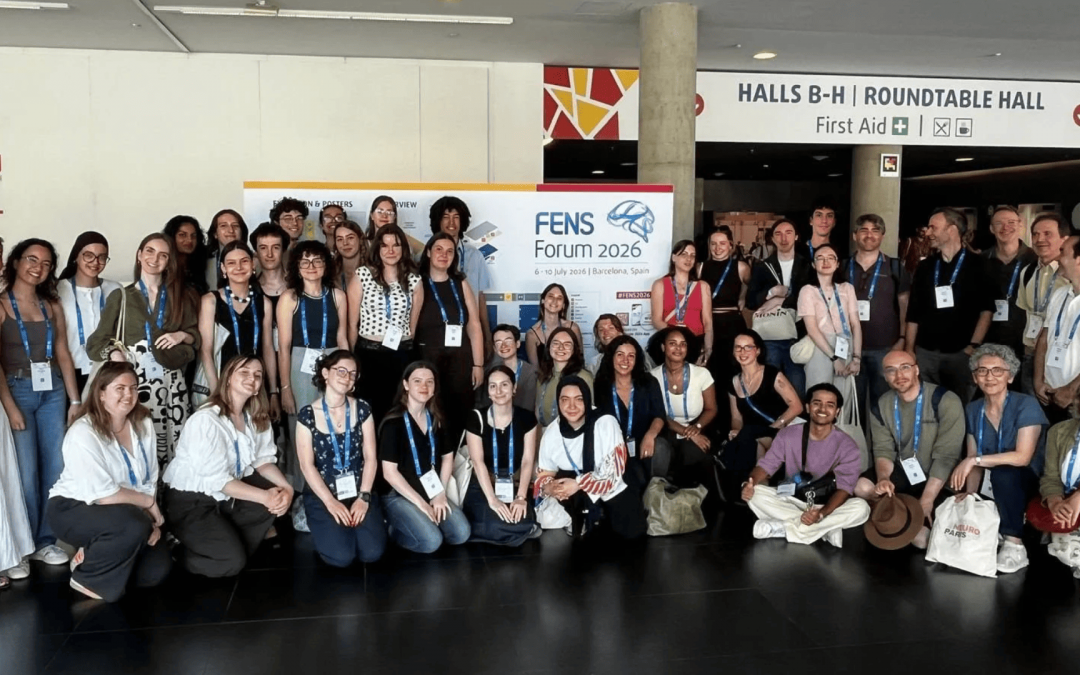
FENS 2026: Graduate School Neuroscience students at the heart of international research
This summer, 25 Master's students from Université Paris Cité's Neuroscience Graduate School attended the FENS (Federation of European Neuroscience Societies) Forum 2026 in Barcelona, Europe's leading neuroscience conference. This was a unique opportunity to immerse...
FENS 2026 : les étudiantes et étudiants de la Graduate School Neuroscience au plus près de la recherche internationale
Cet été, 25 étudiantes et étudiants en master de la Graduate School Neuroscience de l’Université Paris Cité ont participé au FENS (Federation of European Neuroscience Societies) Forum 2026 à Barcelone, le grand rendez-vous européen des neurosciences. Une occasion...
La photographie, autrement : deux nouveaux ouvrages chez Université Paris Cité Éditions
Le 16 octobre, Université Paris Cité Éditions publie deux nouveaux ouvrages dans sa collection « Longue vue », consacrée à la photographie et au patrimoine visuel. Avec Michel Butor. Portrait ultrasensible et Traverser le monde. Le tournant photographique de...
Eiffel Excellence scholarship 2027
The Eiffel scholarship programme launched by France’s Ministry of Europe and Foreign Affairs is now open for the 2027–2028 academic year. The programme enables international students to benefit from a mobility grant and pursue courses at the master’s and doctorate...