

The Graduate School Cardiovascular Sciences is expanding its scope by integrating hematology and becoming the Graduate School Cardiovascular & Blood Sciences (CVBS), dedicated to cardiovascular sciences and blood. Through this evolution, Université Paris Cité strengthens its ambition in global health and offers a unique center of excellence in Europe, built on a boundary-free approach to the circulatory system, no longer viewed as a simple mechanism, but as a dynamic ecosystem in which the heart, vessels, and blood are in constant interaction.

A Systemic Ambition
The distinctive strength of the Graduate School Cardiovascular & Blood Sciences lies in its integration of blood as a central player in cardiovascular health. Its mission is to train future leaders capable of addressing the great challenges of tomorrow’s medicine, including:
- Aging and metabolic health: preventing the premature deterioration of the circulatory system linked to diabetes or obesity.
- Systemic risks: identifying how anomalies in blood cells trigger heart attacks, strokes, and chronic inflammation.
- Breakthrough therapies: developing immunotherapies and transfusion alternatives (next-generation blood).
A Program of Excellence
From master’s to doctoral level, the Graduate School Cardiovascular & Blood Sciences welcomes students from the sciences, medicine, and pharmacy. It offers a multidisciplinary pathway built around immersion in cutting-edge research (Inserm, CNRS), technological expertise (gene therapy, imaging), and openness to the humanities and social sciences.
World-Class Research
Driven by the Institut des Sciences Cardiovasculaires and the synergy between the excellence initiatives CITY (cardio-inflammation) and GR-Ex (red blood cell), research is organized around five thematic areas, ranging from molecular genetics to the design of innovative medical devices.
Under the leadership of Dr G. Caligiuri, Dr J-S. Silvestre, and Prof. C. Le Van Kim, the Graduate School Cardiovascular & Blood Sciences is fully aligned with Université Paris Cité’s global health strategy, and confirms the unifying role of the Graduate School structuring policy. Drawing on its international partnerships, it positions therapeutic innovation at the crossroads of biological, environmental, and societal challenges, establishing itself as a key player in addressing the major health challenges of the 21st century.
Read more
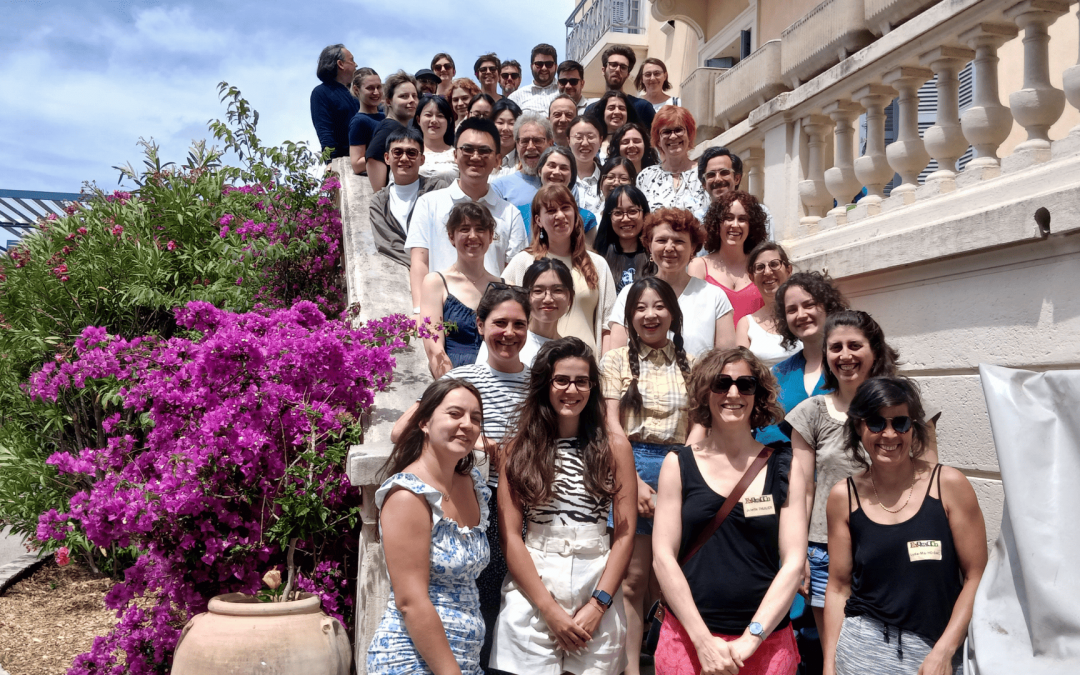
Graduate School Summer Schools: opportunities to learn, collaborate and broaden your horizons
Each year, the Graduate Schools of Université Paris Cité organize their summer schools, offering unique opportunities for learning, scientific exchange and collaboration. Students, PhD candidates and researchers come together to explore a wide range of topics,...
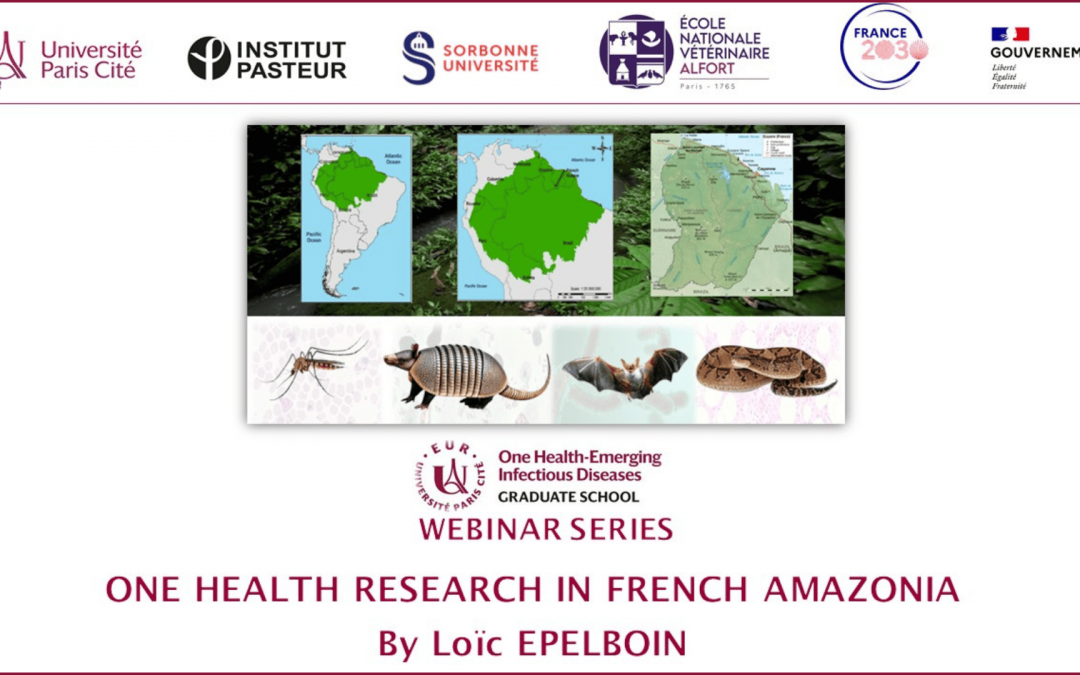
The Amazon, Viruses, and Vampires: what a year of One Health-Emerging Infectious Diseases webinars revealed to the world
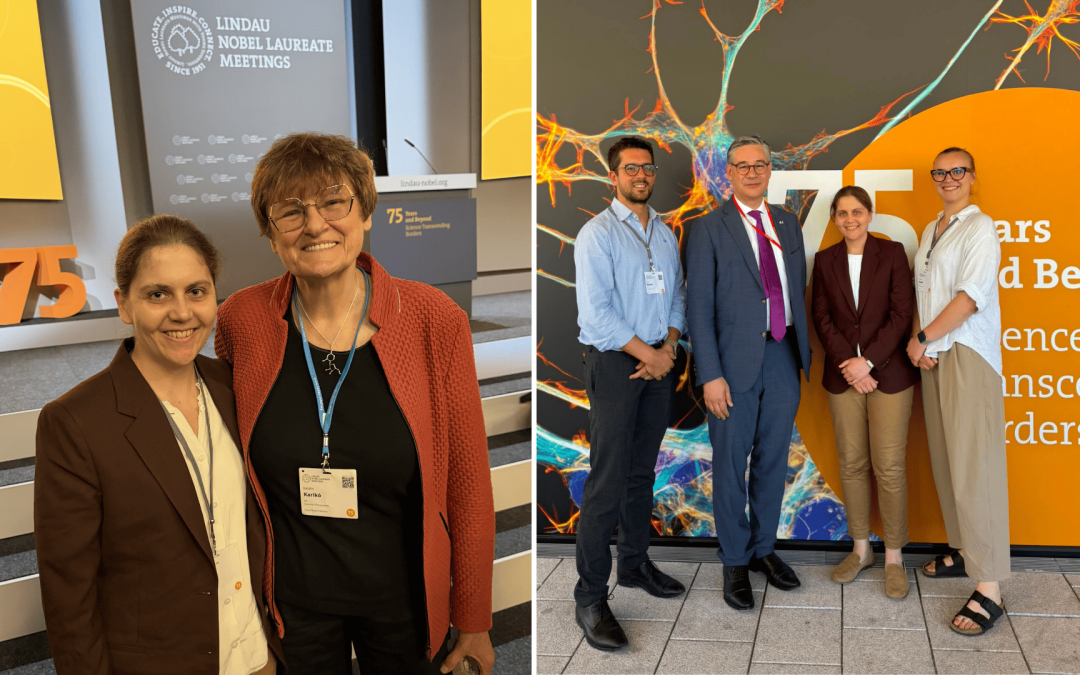
Lindau Nobel Laureate Meetings: an “extraordinary” week at the heart of scientific excellence, as told by two young researchers from UPCité
Thanks to the support of the SMARTS-UP Graduate Schools programme, Federica Namor, a PhD student at the Saint-Louis Research Institute (IRSL – Université Paris Cité/Inserm) and Marie Robert, a young doctor from the Center for Research on Inflammation (CRI – Université...
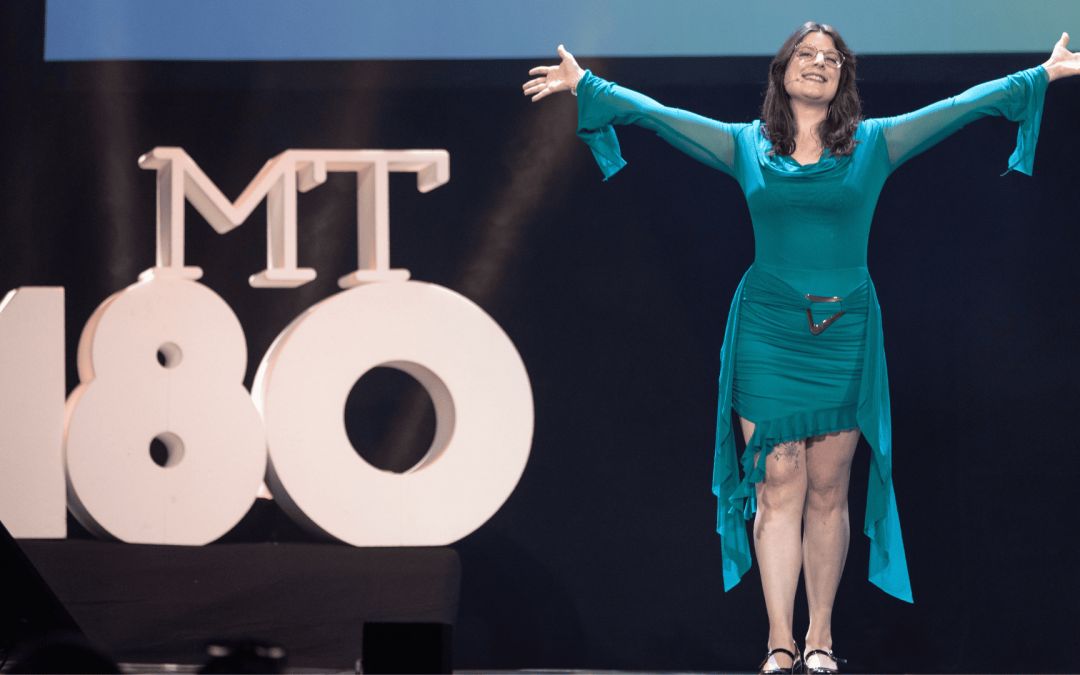
Antimicrobial resistance: doctoral researcher Yaëlle Wormser explores a new lead to speed up tuberculosis research
Antibiotic resistance represents one of the greatest health threats of our time. Through her research, Yaëlle Wormser, a doctoral researcher within the university's Antimicrobial Resistance Graduate School and winner of the "Ma thèse en 180 secondes" competition,...