


Musculo-Skeletal Sciences
The aim of the Graduate School of Musculo-Skeletal Sciences is to train students, doctors and non-physicians, through and for research in the field of musculoskeletal sciences. This Graduate School is supported by a large number of laboratories, clinical services and researchers of international reputation at Université Paris Cité. Its objective is to train in research in the field of these diseases and to disseminate the knowledge acquired to health authorities and patients
Presentation
Musculoskeletal diseases (MMS) are the leading cause of perceived disability, prolonged sick leave, premature retirement, and have a significant societal cost. Worldwide, they are the leading cause of years lived with a disability. Their impact is growing due to increasing life expectancy, epidemiological (co-morbidities) and environmental changes. Considerable progress has been made in the understanding of the pathophysiology and treatment of inflammatory, bone and microcrystalline diseases; other MMS do not currently have any effective treatment, and many unmet needs are the subject of innovative research.
The health authorities (Health Law 2022) strongly recommend improving the care of patients with MMS because of the severity of some of them and their consequences. This major social and economic burden must be reduced by improving physiopathological knowledge, assessment tools, innovative treatments and the organisation of care.
The Graduate School of Musculo-Skeletal Sciences develops targeted research on these diseases, and trains its students to develop innovative research and to respond to public health needs. This Graduate School is unique in France in terms of the number of players with complementary expertise in the field of musculoskeletal diseases, in research units (INSERM, CNRS, etc.) as well as in clinical services and reference centres for rare musculoskeletal diseases. It brings together complementary disciplines of clinical experts, and experts in cell biology, genetics, immunology and epidemiology.
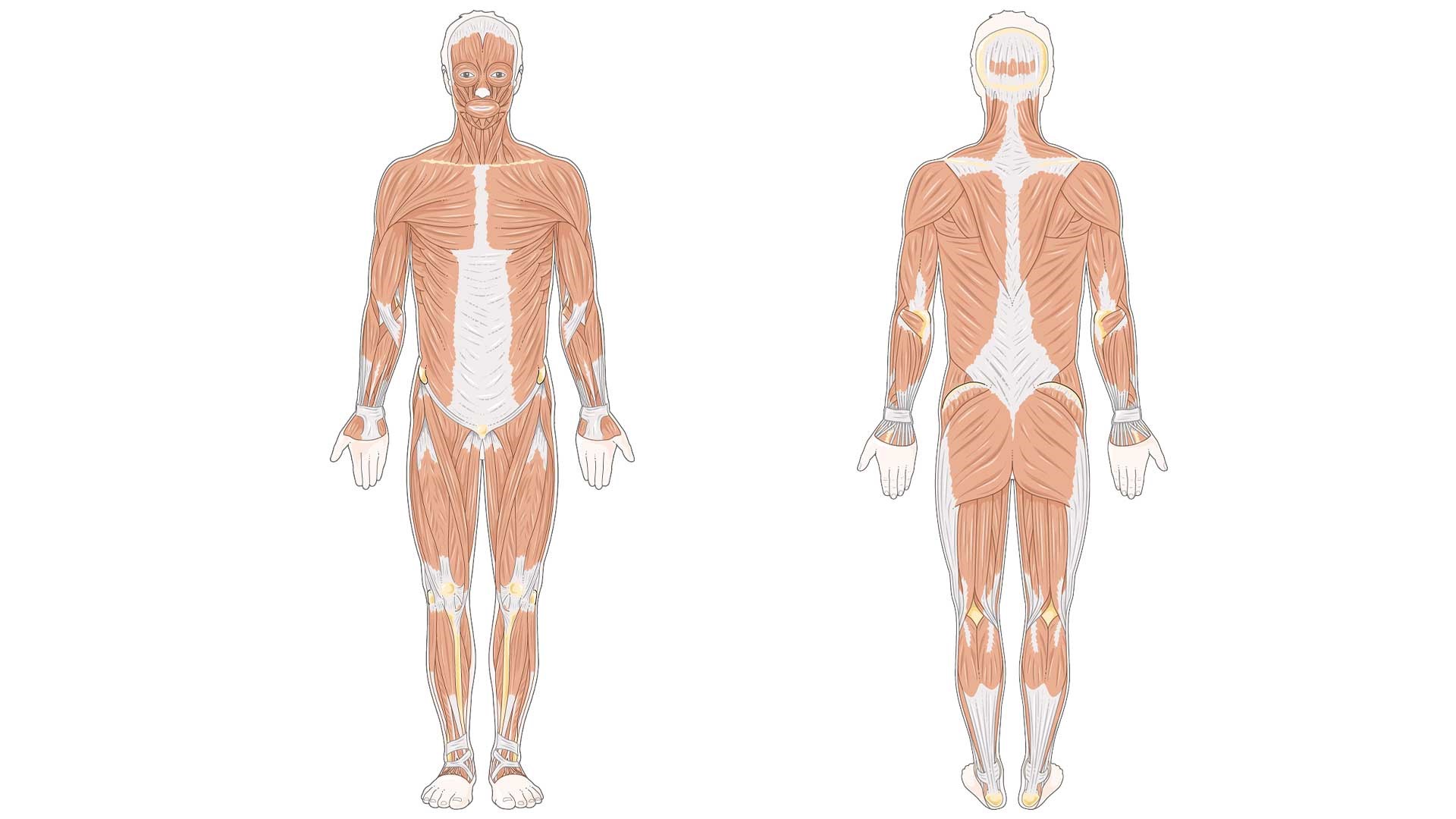
The composition of the musculoskeletal system (calcified tissue (bones, teeth), joints and muscles) requires the collaboration of many disciplines. The Graduate School of Musculo-Skeletal Sciences offers a structure linking research to patient care. Through an original and innovative project, the Graduate School of Musculo-Skeletal Sciences offers its students a complete and diversified range of subjects: from biology to epidemiology, with readable circuits and critical evaluation. It is also a privileged place for research dedicated to MMS, facilitated by the cross-disciplinary nature of its specialities, the pooling of platforms (bio-banks, cohorts and databases), and by the establishment of networks with partner institutions, industrialists and patient associations.
MMS research within Université Paris Cité and its partners is of international level, from the laboratory to the patient’s bedside, there is a critical mass of complementary expertise. The Graduate School of Musculo-Skeletal Sciences organises the interaction of the research community initially from different specialities: clinical medicine, biological sciences, physical sciences and biotechnology. This creates a unique and powerful network for research and education in the field of MMS.
The format of the training reinforces the interdisciplinary approach, students can rely on basic science laboratories and university hospital teams. In this sense, the Graduate School of Musculo-Skeletal Sciences consolidates the links between research teams and hospital services, and between researchers and clinicians, involving all the specialists in rheumatology, orthopaedic surgery and rehabilitation in the Parisian university hospitals of the University of Paris-Centre.
The Graduate School of Musculo-Skeletal Sciences recruits students from different backgrounds, including those enrolled at the INSERM school. The level of training is adapted to the initial level of the students.
Masters
Master 1 and 2 taught in French and English:
- Adapted physical activity and health:
- Health biology:
- Public health:
Master 1 taught in English:
Master 2 taught in English:
- Biology and health:
- BioMedical Engineering Paris:
Research
The Graduate School of Musculo-Skeletal Sciences is made up of a large number of professors, research centres and teams, covering a full range of specialties involved in musculoskeletal sciences. The research team leaders are involved in the training and evaluation programmes. Due to the multidisciplinary approach of the Graduate School, researchers are invited to share their expertise through dedicated seminars and events.
Laboratories
- B3OA – Osteoarticular Biology, Bioengineering and Bioimaging (UMR 7052)
- I3SP – Institut des Sciences du Sport-Santé de Paris (URP 3625)
- T3S – environmental Toxicity, Therapeutic Targets, cellular Signaling and Biomarkers – Degeneration and plasticity of the locomotor system (UMR 1124)
- BIOSCAR – Pathophysiology of bone and cartilage diseases (UMR 1132)
- CRESS – Centre of Research in Epidemiology and Statistics – Epidémiologie des Maladies ostéo-articulaires (UMR 1153)
- Institut Cochin – Pathogenesis and innovative treatments of scleroderma and fibro-inflammatory diseases (UMR 8104 U1016)
- Institut IMAGINE, (UMR 1163) Molecular and pathophysiological basis of osteochondrodysplasias
- Institut Pasteur – Unité d’immunologie
- Orofacial Pathologies, Imaging and Biotherapies (URP 2496)
- POM – Molecular Oral Pathophysiology – Centre de recherche des Cordeliers
- Physiopathologie et pharmacologie clinique de la douleur (UMR 987)
Executives
The Graduate School is managed by Professors Hang-Korng EA and Christian ROUX.
À lire aussi
2e édition du forum de la ludopédagogie : rendez-vous le 24 mars
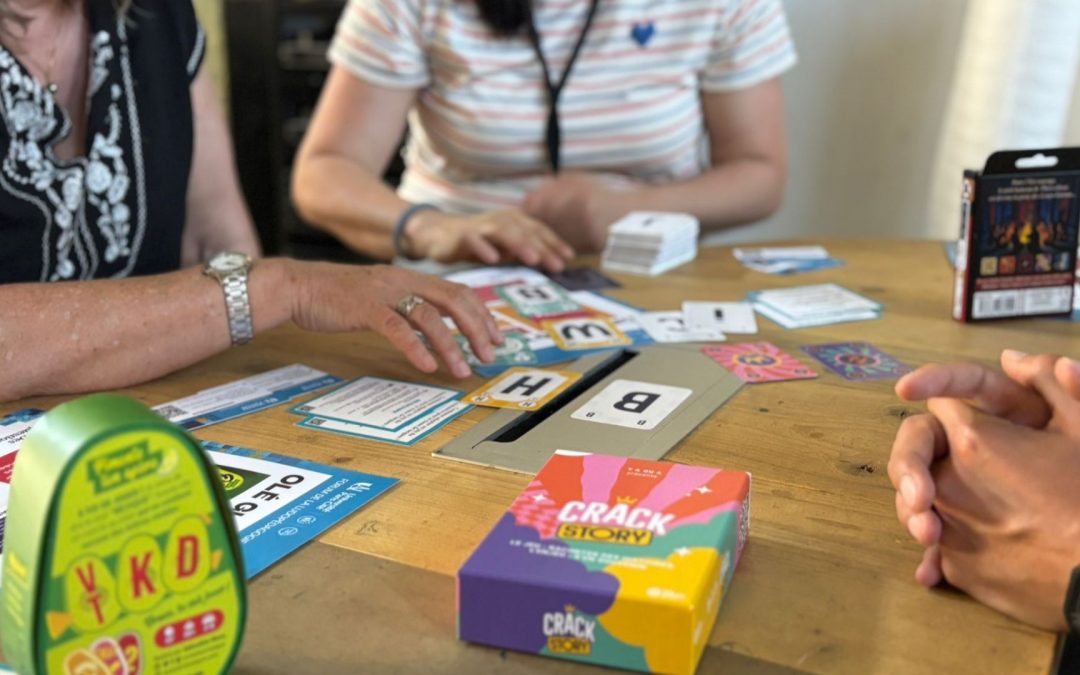
Rendez-vous mardi 24 mars 2026, de 10h à 16h, pour une journée placée sous le signe du jeu, du partage et de l’innovation pédagogique.Une trentaine de stands, animés par des intervenantes et intervenants de l’Université Paris Cité et des partenaires extérieurs,...

Quart d’heure de lecture national : ce que 15 minutes de lecture font à notre cerveau
Le 10 mars, le Quart d’heure de lecture national invite chacune et chacun à interrompre ses activités pour consacrer 15 minutes à la lecture. À l’Université Paris Cité, cette initiative prend une dimension particulière : défi de lecture, éclairage scientifique sur les...

Journée internationale du droit des femmes : découvrez les initiatives UPCité 2026 !
Cette année, l'Université Paris Cité se mobilise pour la Journée internationale des droits des femmes à travers une programmation riche et engagée. Ce mois spécial est l’occasion de mettre en lumière les initiatives portées par notre communauté universitaire en faveur...
L’Indian Institute of Science Education and Research de Pune et l’Indian Institute of Technology de Bombay : premiers partenaires d’UPCité en Inde
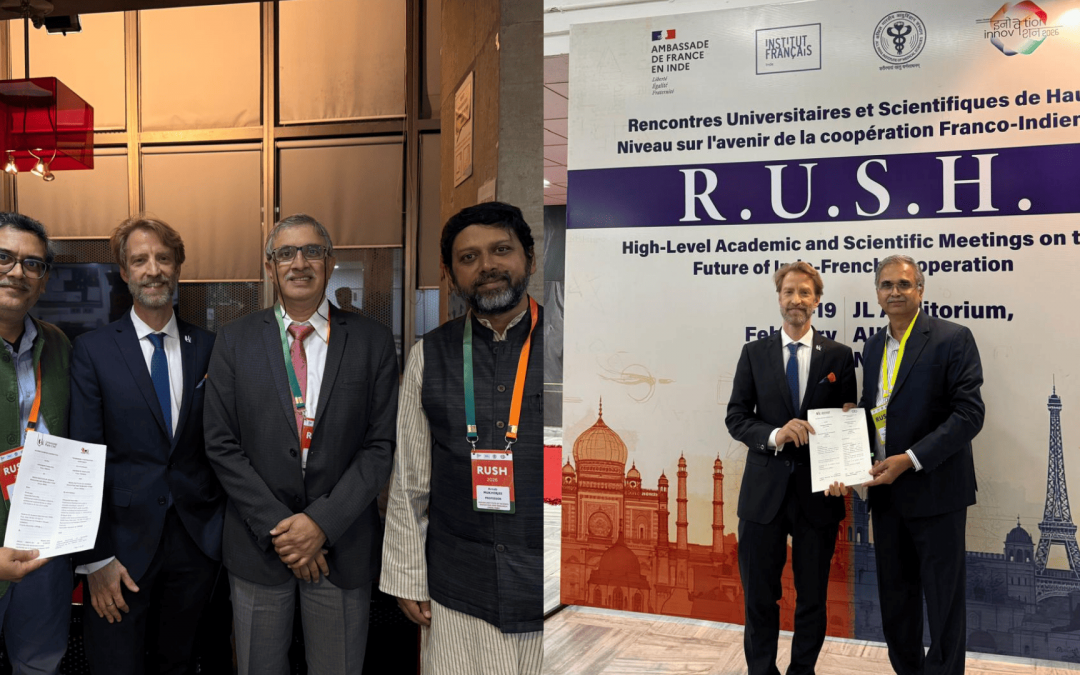
Antoine Kouchner, vice-président Stratégie et Relations Internationales de l’Université Paris Cité s’est rendu en Inde à l’occasion du déplacement officiel du Président de la République aux Rencontres Scientifiques et Universitaire de Haut niveau (RUSH). Dans ce...