

During the week of 23 February 2026, the President of Université Paris Cité, Édouard Kaminski, and the Vice-President for Strategy and International Relations, Antoine Kouchner, took part in a mission organised by the Région Île-de-France to São Paulo, Brazil. The delegation was led by Valérie Pécresse, President of the Région Île-de-France, and included representatives from Université PSL.
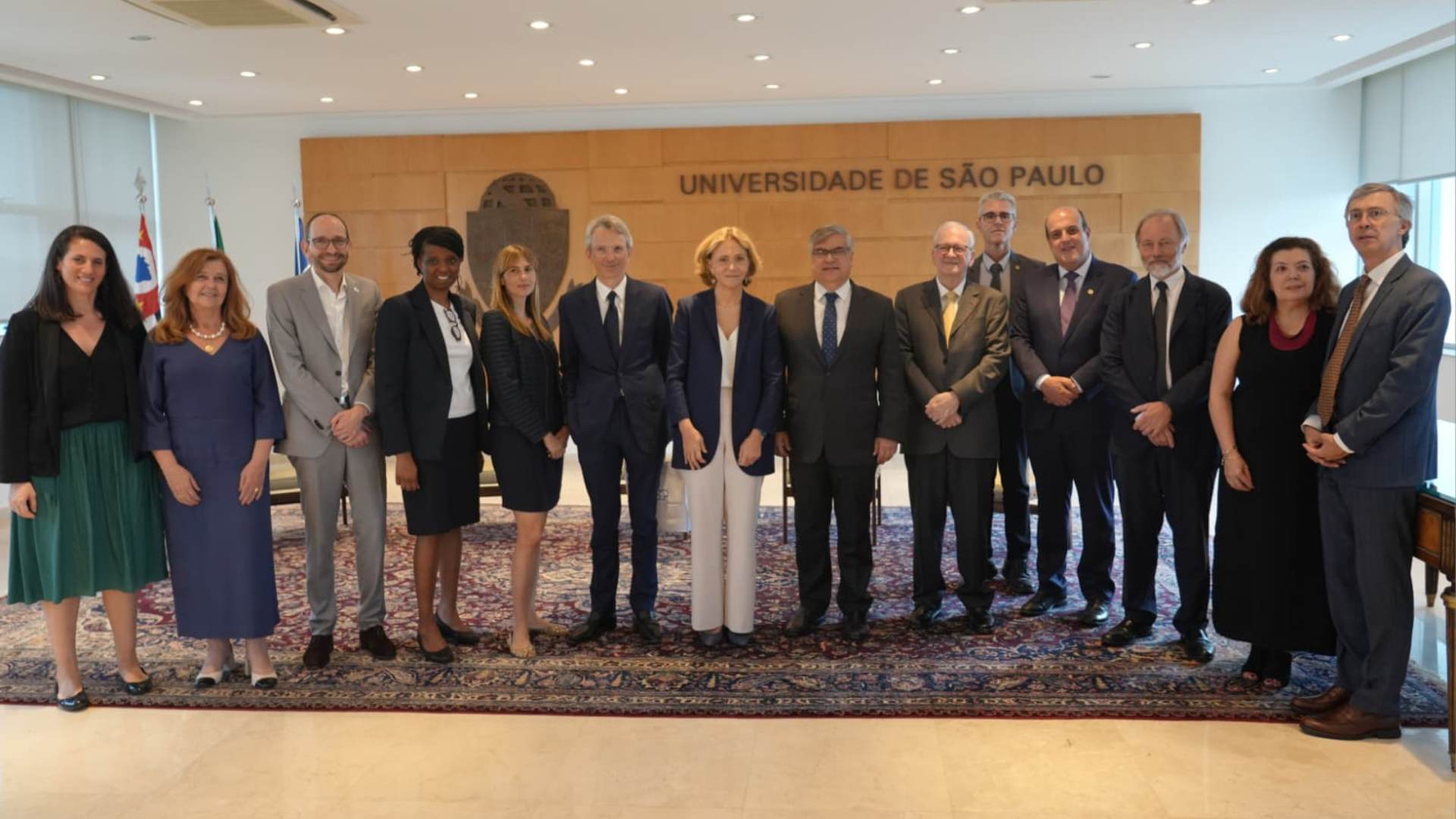
University of São Paulo
The aim of the trip was to promote the Paris Region to Brazilian decision-makers and local businesses, showcase French companies, and explore new academic and scientific partnerships. Université Paris Cité’s participation in this mission is part of its commitment to consolidating its international partnerships in a country that is key to research and higher education in Latin America. The university has been collaborating with Brazil for several years. This dynamic has resulted in the publication of 3,554 research papers between 2020 and 2024, covering a wide range of disciplines. Brazil is notably the Faculty of Health’s leading partner in Latin America.
Academic cooperation at the heart of Franco-Brazilian relations
According to Campus France, France is Brazil’s leading European partner for academic cooperation, with many inter-university agreements in place. It is also the 7th most popular destination for Brazilian students. Brazil is France’s leading partner in Latin America for scientific cooperation. Several French research organisations are established in Brazil, including the CNRS. The Pasteur Institute in São Paulo, co-founded by the Pasteur Institute in Paris and the University of São Paulo, a member of the Pasteur Network, conducts research in South America and internationally in the field of biology.
The mission comes at a time of stronger Franco-Brazilian relations. 2025 was named France-Brazil Year, commemorating 200 years of friendship between the two countries and was highlighted by events organised in France and Brazil. Prior to this, scientific cooperation had been reaffirmed at the meeting of the Franco-Brazilian Joint Strategic Committee for Science, Technology and Innovation, held in Manaus on 20 September 2024. This meeting identified common priorities, particularly in biodiversity, mathematics, artificial intelligence, health and social sciences.
Exchanges with the University of São Paulo and the São Paulo Research Foundation
During the delegation’s visit, Université Paris Cité met with the University of São Paulo (USP), with whom discussions were particularly enthusiastic. Ranked as Brazil’s leading public university in international rankings, USP maintains a strong global outlook. Although the links between UPCité and USP are rich in terms of both mobility and research, they are not yet covered by a framework agreement. Discussions have naturally been initiated in order to formalise this agreement. Indeed, research collaborations have been active for several years, particularly in the life sciences, mathematics and computer science, as well as a long-standing cooperation with the Faculty of Pharmacy. The UPCité delegation also visited the USP Faculty of Medicine.
Université Paris Cité also visited the São Paulo Research Foundation (FAPESP). This São Paulo State research funding agency supports research projects across all disciplines and has agreements with many international research organisations. Discussions focused on initiatives that could be implemented to enhance research collaboration between UPCité teams and all research organisations in the state of São Paulo.
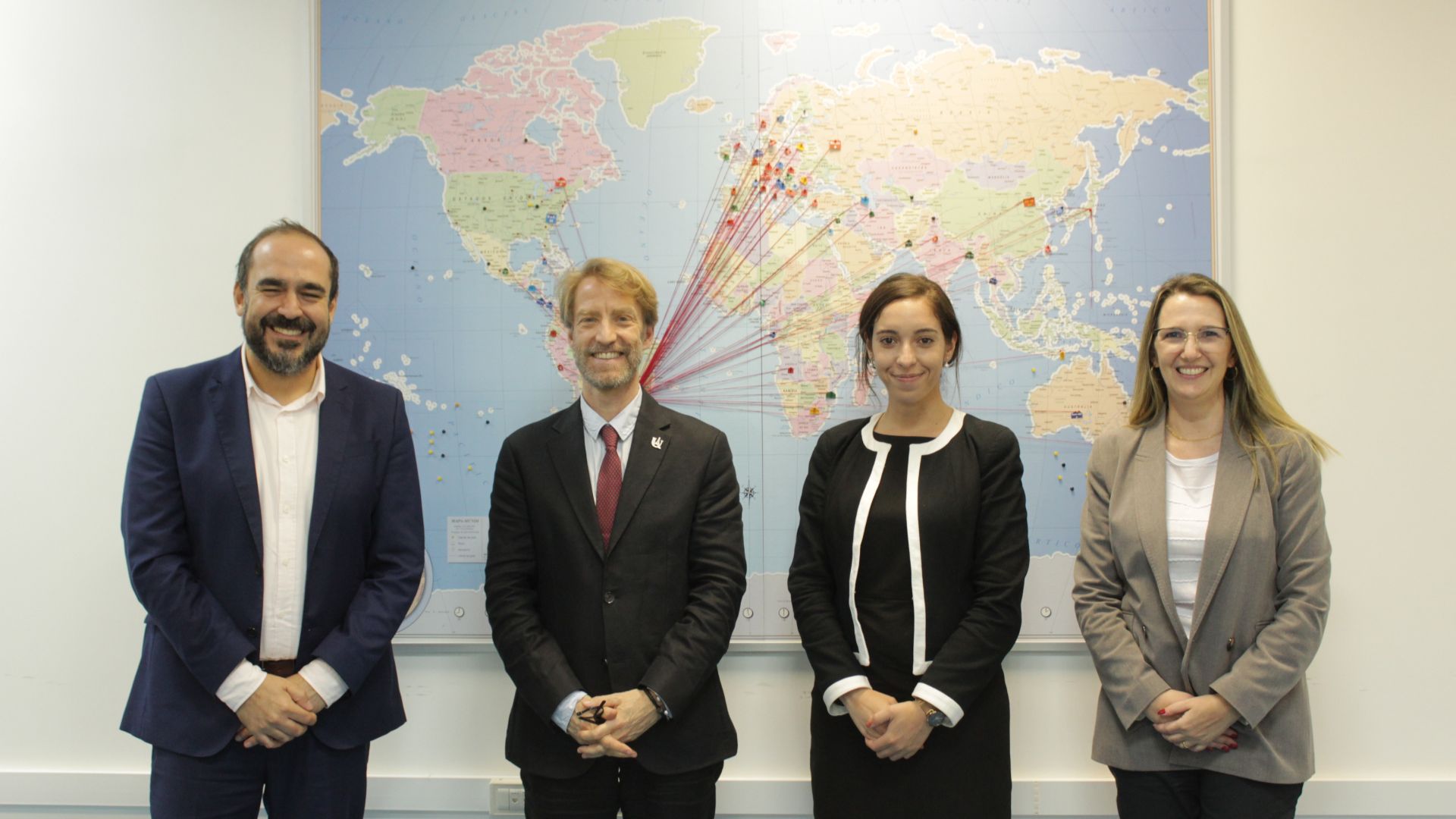
From right to left : Juliana de Moraes Leme Basso, Associate Director for Cooperation, USP ; Sarah Madjour, Science and Technology Officer, Consulate General of France in São Paulo ; Antoine Kouchner, Vice-President of Strategy and International Relations, UPCité ; Paulo Henrique Braz-Silva, Provost for International Cooperation, USP
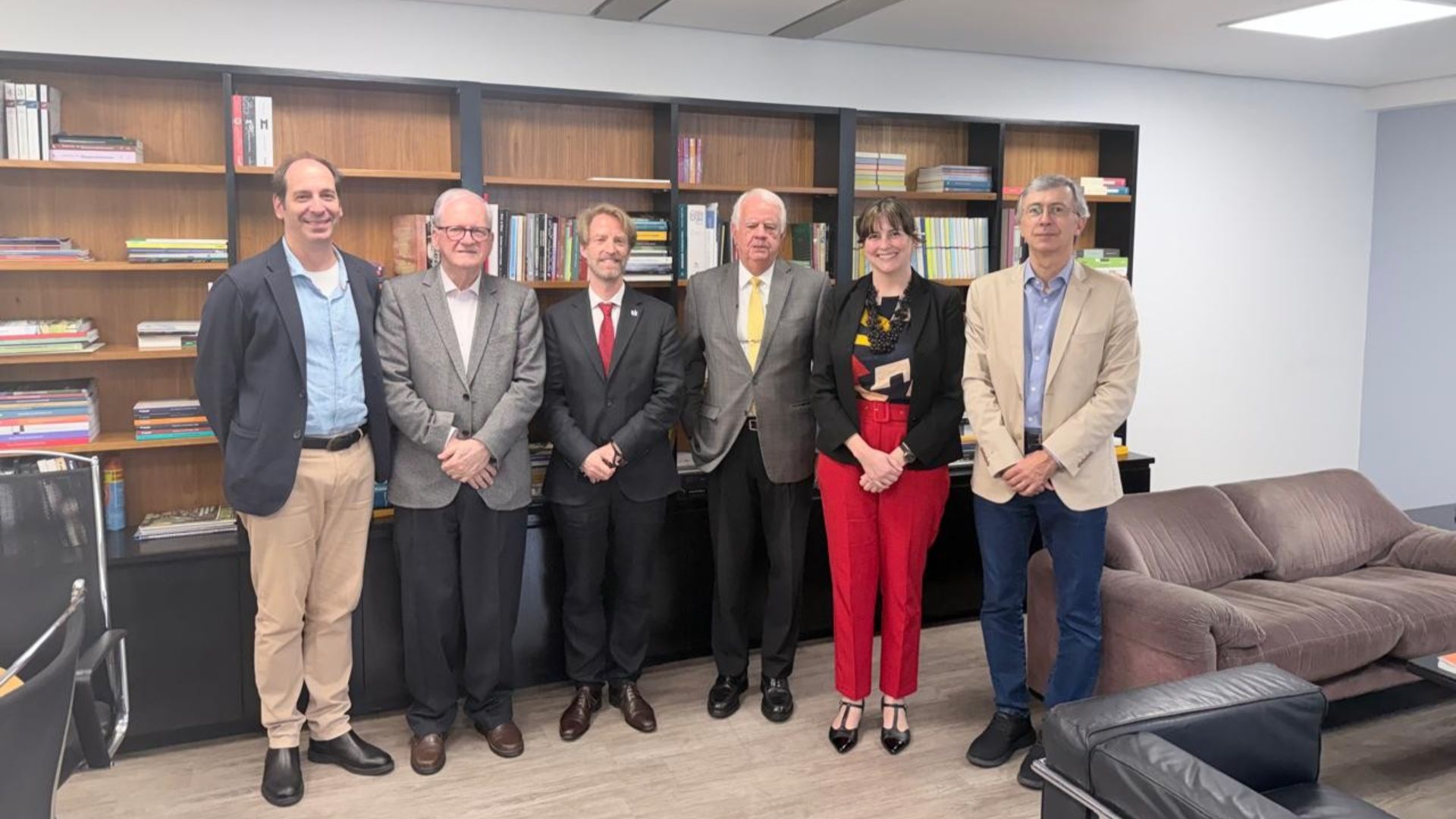
From left to right: Niels Olsen Saraiva Câmara, Advisor to the Scientific Director, FAPESP ; Marco Antonio Zago, President of FAPESP ; Antoine Kouchner, Vice-President of Strategy and International Relations, UPCité ; Raoul Machado Net, Head of Institutional Relations, FAPESP ; Laura Redondo de Campos, Advisor of Institutional Relations, FAPESP ; Fernando Dias Menezes de Almeida, Administrative Director, FAPESP
À lire aussi
Le Grand Debunk de la Santé : une édition spéciale nutrition au plus près du public

Renforcer l’accès aux soins : la Région Île-de-France investit dans la formation des futurs infirmiers et inaugure un institut rénové au cœur de Paris
Valérie Pécresse, Présidente de la Région Île-de-France et Farida Adlani, Vice-présidente chargée des Solidarités, de la Santé et du Bien vieillir, ont inauguré ce lundi 12 octobre 2026, aux côtés de Nicolas Revel, Directeur général de l’Assistance Publique – Hôpitaux...
read more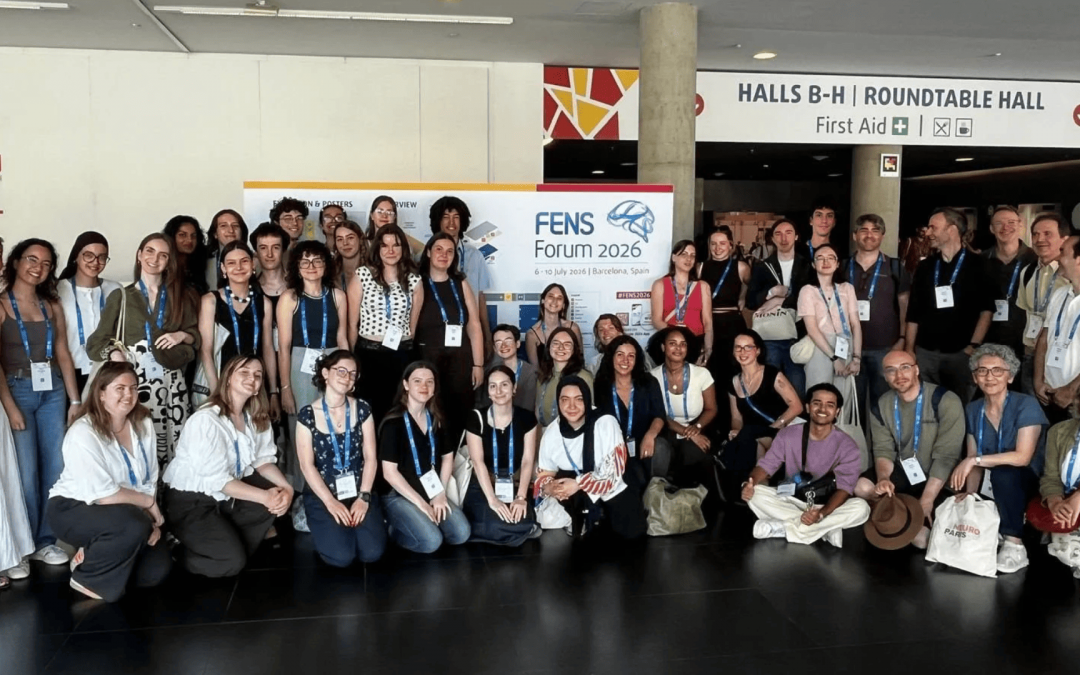
FENS 2026: Graduate School Neuroscience students at the heart of international research
This summer, 25 Master's students from Université Paris Cité's Neuroscience Graduate School attended the FENS (Federation of European Neuroscience Societies) Forum 2026 in Barcelona, Europe's leading neuroscience conference. This was a unique opportunity to immerse...
read more
FENS 2026 : les étudiantes et étudiants de la Graduate School Neuroscience au plus près de la recherche internationale
Cet été, 25 étudiantes et étudiants en master de la Graduate School Neuroscience de l’Université Paris Cité ont participé au FENS (Federation of European Neuroscience Societies) Forum 2026 à Barcelone, le grand rendez-vous européen des neurosciences. Une occasion...
read more