

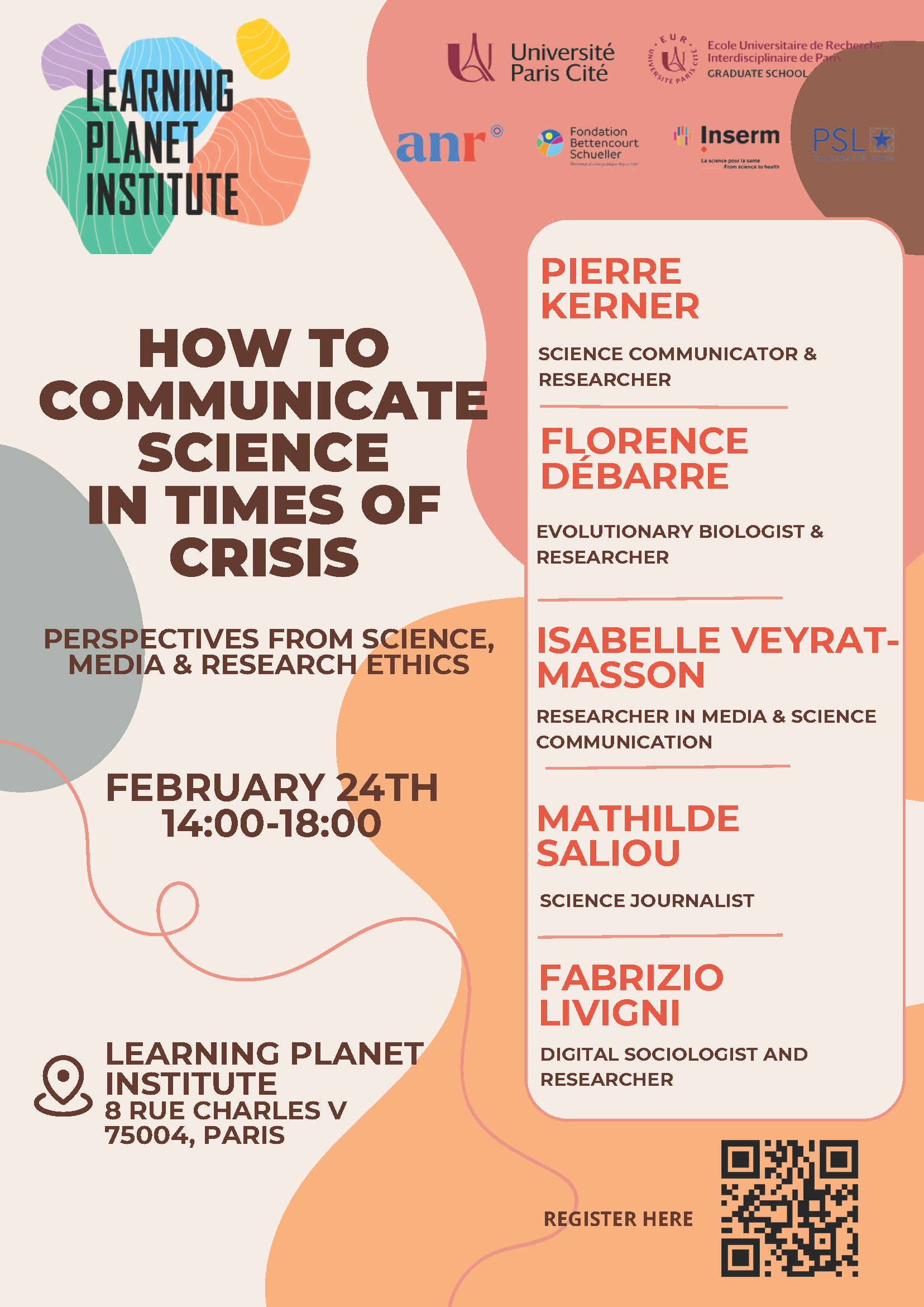
8 bis Rue Charles V
75004 Paris
![[EURIP Workshop] How to communicate science in times of crisis? @ Learning Planet Institute](https://u-paris.fr/wp-content/uploads/2026/02/Learning-Planet-Institute-2-300x169.jpg)
The Thematic Workshops is a week-long event taking place from February 23rd to 27th, where Master 2 AIRE M2 and PhD FIRE D2 students from the Graduate School EURIP organize a scientific conference by inviting speakers on a specific topic. All workshops will be conducted in English.

This workshop examines the importance of science communication, especially in times of global crisis and misinformation.
We are in an age of converging crises that are used and abused by bad actors to spread false narratives and misinformation about science. Whether about COVID-19, Climate Change, vaccine safety, or 5G, there is a conspiracy theorist attempting to spread misinformation to push their favored ideas. We aim to create a program of scientists and scientific communicators to fight back against the tide of misinformation and create a knowledge ecosystem that values facts over fiction.
Speakers
- Dr Fabrizio Livigni
Dr. Fabrizio Livigni works as a CNRS permanant researcher in sociology. His work focuses on “Digital Democracy”, examining how information and misinformation are related on digital platforms and how different political actors use online spaces to spread their message. - Isabelle Veyrat-Masson
Isabelle Veyrat-Masson is a researcher in media and science communication. Her work focuses on the relationships between science, media, public debate, and trust, with particular attention to scientific controversies and the role of the media in shaping public understanding. - Mathilde Saliou
Mathilde Saliou is a journalist and author who examines the social, economic, and political impacts of digital technologies, as well as issues related to information, media inequalities, and connected worlds. She is also actively involved in media literacy and science communication - Dr Pierre Kerner
Dr. Pierre Kerner is an associate professor at Université Paris Cité and a researcher at the Institut Jacques Monod in Paris. He works in evolutionary and molecular biology and is also an active science communicator, author of several popular science books and creator of the science outreach blog Strange Stuff And Funky Things. - Dr Florence Débarre
As a CNRS senior scientist, Dr. Florence Débarre is a theoretician working in the field of evolutionary ecology and epidemiology. Currently, she is working on projects related to the COVID-19 pandemic. She also works to fight COVID-19 misinformation online and in the media.
Program
14:00 – 14:05 Welcome
14:05 – 14:40 Fabrizio Livigni
14:40 – 15:15 The Role of the Media in Science Communication Today – Isabelle Veyrat-Masson
15:15 – 15:50 Mathilde Saliou
15:50 – 16:05 Coffee Break
16:05 – 16:40 Science Outreach in a Biodiversity Crisis – Pierre Kerner
16:40 – 17:15 Science communication in controversial topics: Covid-19 origins – Florence Débarre
17:15 – 17:55 Round Table Discussion
17:55 – 18:00 Closing Remarks
Read more
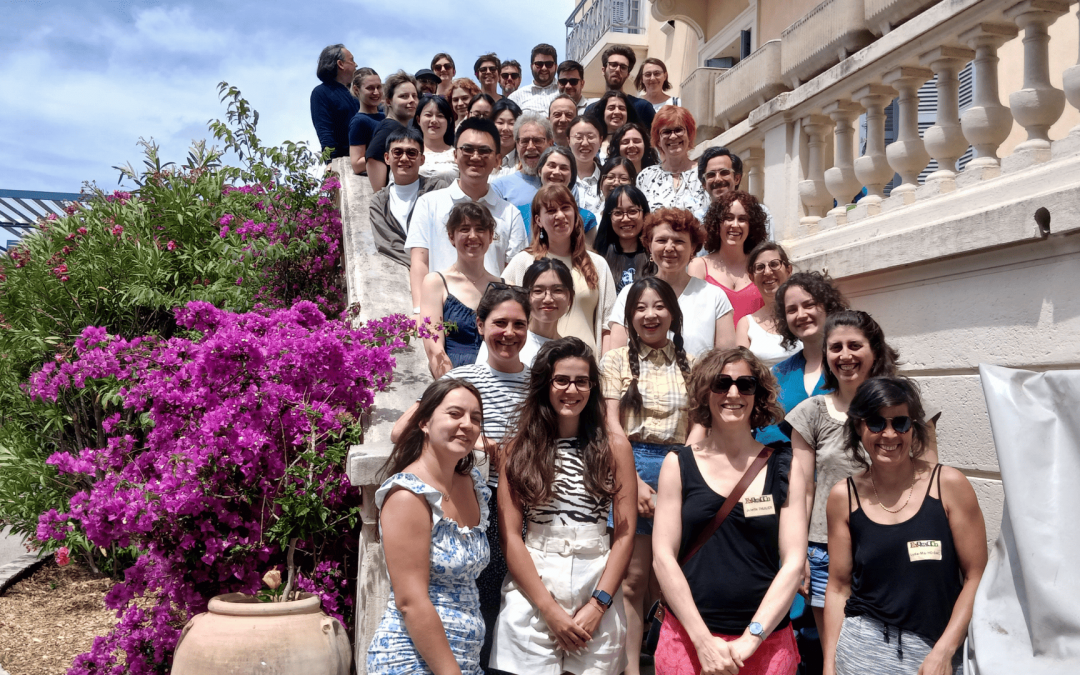
Graduate School Summer Schools: opportunities to learn, collaborate and broaden your horizons
Each year, the Graduate Schools of Université Paris Cité organize their summer schools, offering unique opportunities for learning, scientific exchange and collaboration. Students, PhD candidates and researchers come together to explore a wide range of topics,...
read more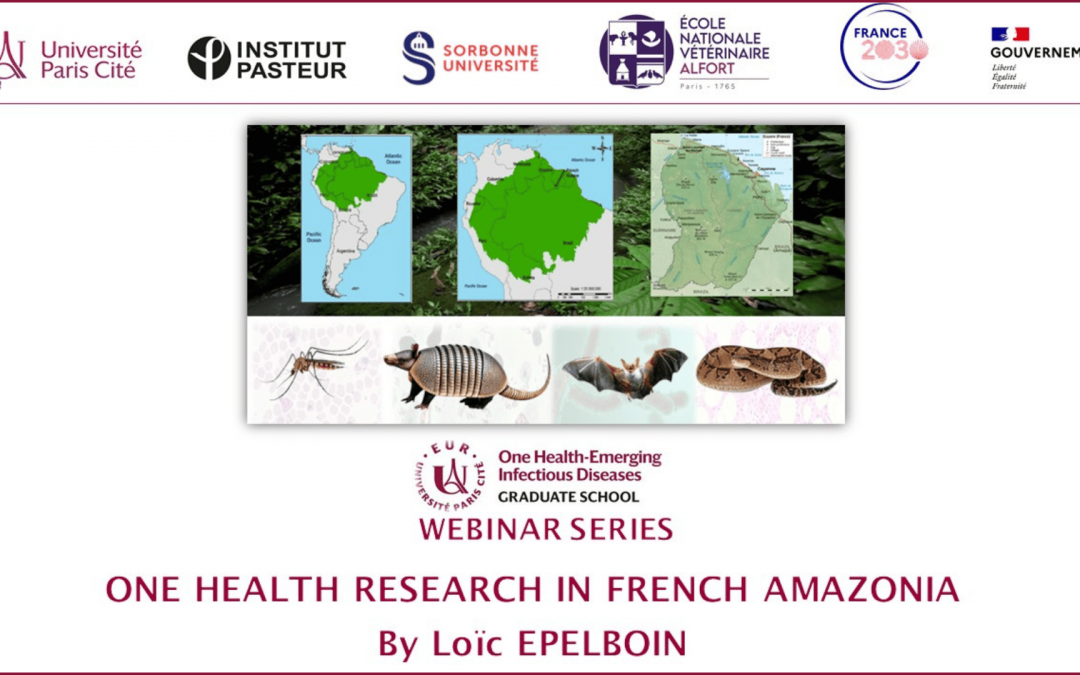
The Amazon, Viruses, and Vampires: what a year of One Health-Emerging Infectious Diseases webinars revealed to the world
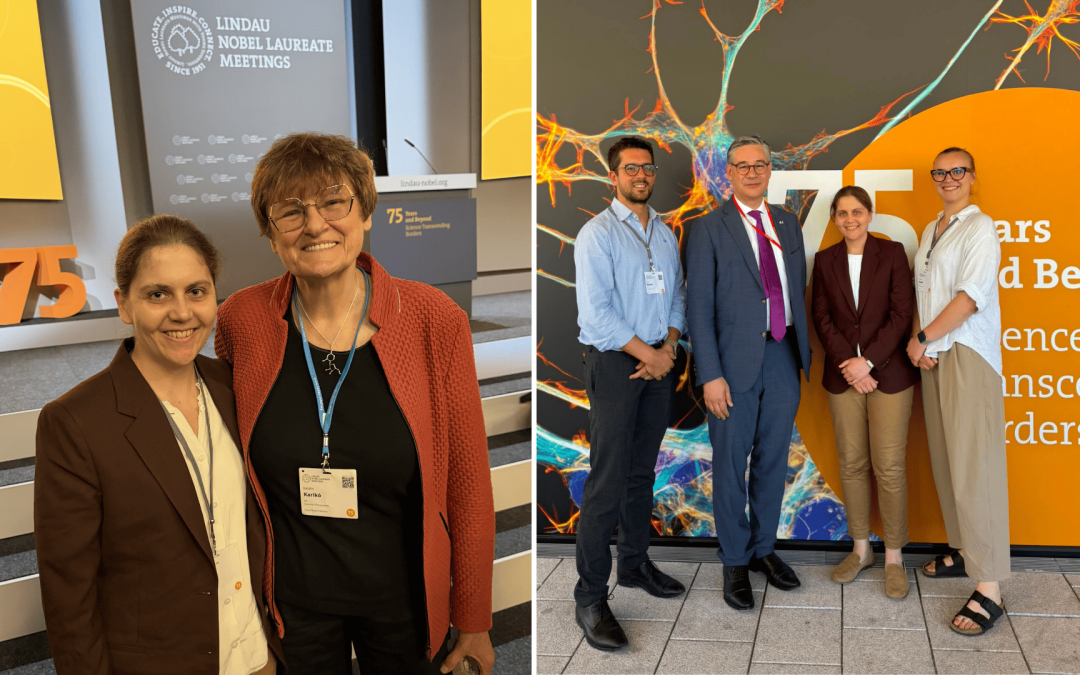
Lindau Nobel Laureate Meetings: an “extraordinary” week at the heart of scientific excellence, as told by two young researchers from UPCité
Thanks to the support of the SMARTS-UP Graduate Schools programme, Federica Namor, a PhD student at the Saint-Louis Research Institute (IRSL – Université Paris Cité/Inserm) and Marie Robert, a young doctor from the Center for Research on Inflammation (CRI – Université...
read more
Antimicrobial resistance: doctoral researcher Yaëlle Wormser explores a new lead to speed up tuberculosis research
Antibiotic resistance represents one of the greatest health threats of our time. Through her research, Yaëlle Wormser, a doctoral researcher within the university's Antimicrobial Resistance Graduate School and winner of the "Ma thèse en 180 secondes" competition,...
read more