

Clinical Humanities
The Graduate School Clinical Humanities offers an interdisciplinary education and research programme that brings together clinical psychology, psychoanalysis, medicine, the humanities, and the social sciences. It aims to foster a deeper understanding of contemporary symptoms and current forms of psychological distress by examining their connections with social, political, environmental, technological, and cultural transformations.

Presentation
Contemporary transformations in healthcare, subjectivity, and social relations call for renewed approaches to clinical analysis. Ecological, migratory, political, and social crises, advances in biomedical technologies, processes of radicalization, psychosocial vulnerabilities, gender issues, the impact of social media on young people, and contemporary forms of psychological trauma all require psychological distress to be understood through its intrapsychic, social, cultural, and institutional dimensions.
Building on the strong connections between its Master’s programmes, research units, and Doctoral School 450, the Graduate School Clinical Humanities aims to educate outstanding students capable of integrating clinical psychology, psychoanalysis, medicine, the humanities, and the social sciences. It provides a space for education and research dedicated to the clinical humanities, understood as practices of care, situated forms of knowledge, and critical approaches to meaning-making.
Students enrolled in the Graduate School benefit from a clearly structured academic pathway linking Master’s studies, doctoral training, and clinical research. They have access to Graduate School Clinical Humanities (GSCH) labelled courses, interdisciplinary teaching, epistemological and methodological workshops, interdisciplinary seminars, courses taught in English, and pathways leading to Doctoral School 450. This training equips students with the methodological, ethical, and scientific skills needed to investigate contemporary clinical issues.
The Graduate School also benefits from a strong international dimension, with collaborations across Europe, Latin America, Africa, China, Canada, and the Mediterranean region. These partnerships support student and researcher mobility, joint doctoral supervision, the hosting of postdoctoral researchers, and collaborative research projects within a vibrant scientific environment bringing together research laboratories, interdisciplinary centres, and the teams of the Institute for Humanities, Social Sciences and Societies (IHSS).
Contact
Vincent ESTELLON
vincent.estellon@u-pariscite.fr
AZZIZ ESSADEK
azziz.essadek@u-pariscite.fr
Elise PESTRE
elise.pestre@u-pariscite.fr
Derek HUMPHREYS
derek.humphreys@u-pariscite.fr
Master’s Programmes
Master’s programmes taught primarily in French
The Graduate School Clinical Humanities draws on several Master’s pathways offered by the Faculty of Humanities, Social Sciences and Societies (IHSS), in collaboration with the Department of Psychoanalytic Studies and the Department of Sociology:
Master’s Degree in Psychology: Clinical Psychoanalytic Psychopathology
- Clinical and Fundamental Psychopathology Track — Programme Director: Yorgos Dimitriadis.
- Clinical and Child and Adolescent Psychopathology Track — Programme Director: Mickael Benyamin.
- Clinical Psychopathology of the Body Track — Programme Director: Ouriel Rosemblum.
- Clinical Psychopathology of Social Bonds Track — Programme Director: Nicolas Evzonas.
Master’s Degree in Social Sciences
- Clinical Sociology and Psychosociology Track — Programme Director: Marie-Anne Dujarier.
- Theories and Practices of Clinical Intervention in Organizations Track — Programme Director: Fabienne Hanique.
- Sociology and Political Philosophy Track — Programme Directors: Marie Cuillerai and Claudia Girola.
- Gender and Social and Political Change: Transnational Perspectives Track — Programme Directors: Estelle Miramond and Claire Cossée.
Master’s programmes with bilingual teaching or Graduate School Clinical Humanities (GSCH) labelled courses taught in English
The four pathways of the Master’s degree in Psychology: Clinical Psychoanalytic Psychopathology will include a shared course unit labelled Graduate School Clinical Humanities, entitled “Clinical Humanities, Methods and Research”, and taught in English.
This course unit will be structured around two components:
- Semester 1: Methods in Clinical Humanities
- Semester 2: Research in Clinical Humanities
Specific links with selected shared course units, particularly those taught in English, will also be highlighted in the programme brochures to reflect the students’ membership of The Graduate School Clinical Humanities.
Research
Master’s students’ training takes place in close collaboration with the research units and interdisciplinary centres associated with the Graduate School Clinical Humanities. This strong connection between education and research enables students to progressively engage with structured scientific environments through seminars, doctoral workshops, methodological training sessions, and collaborative projects led by partner research teams.
The Centre for Research in Psychoanalysis, Medicine and Society supports research at the intersection of psychoanalysis, clinical psychology, medicine, and the social sciences. Its research focuses in particular on contemporary symptoms, forms of psychological distress, psychological trauma, violence, extreme clinical situations, social vulnerabilities, transformations in healthcare practices, and the relationships between subjectivity, institutions, and social bonds.
The Graduate School also relies on the interdisciplinary centres of the Institute for Humanities, Social Sciences and Societies (IHSS), which foster dialogue between philosophy, sociology, anthropology, gender studies, postcolonial studies, medicine, and clinical humanities. These collaborations provide new perspectives for analysing contemporary phenomena such as eco-anxiety, migration, radicalization, the effects of social media, gender and transgender issues, as well as the cultural, political, and technological transformations shaping individual and collective subjectivities.
Research conducted within the Graduate School draws on qualitative, quantitative, and mixed methods adapted to clinical research topics, including interviews, case studies, phenomenological and psychoanalytic approaches, corpus analysis, action research, questionnaires, longitudinal methods, descriptive and inferential analyses, network analysis, and comparative approaches to clinical materials. Particular attention is paid to research ethics, scientific integrity, informed consent, confidentiality, GDPR compliance, and data traceability in research involving sensitive clinical situations.
Finally, the research activities of the Graduate School are supported by national and international partnerships through joint doctoral supervision, mobility opportunities, the hosting of postdoctoral researchers, international conferences and workshops, and collaborations with research teams based in Europe, Latin America, Africa, China, Canada, and the Mediterranean region. These partnerships contribute to positioning the clinical humanities within an international and interdisciplinary scientific landscape.
Laboratories
- CRPMS – Centre de recherches psychanalyse, médecine et société, Université Paris Cité.
- CEV – Centre d’Étude du Vivant, IHSS, Université Paris Cité.
- PCPP – Psychologie clinique, psychopathologie, psychanalyse, Université Paris Cité.
- CRPPC – Centre de recherche en psychopathologie et psychologie clinique, Université Lyon 2.
- SESSTIM – Sciences économiques et sociales de la santé et traitement de l’information médicale, Inserm Marseille.
- Psy-DREPI – Dynamiques relationnelles et processus identitaires, Université Bourgogne Europe.
- Crisis’Lab, Sciences Po Paris.
- RPpsy – réseau de recherche en psychopathologie et psychanalyse des Universités de Rennes, Poitiers, Brest et Angers.
- LPCPP – Laboratoire de psychologie clinique, psychopathologie et psychanalyse, Aix-Marseille Université.
- LAPCOS – Laboratoire d’anthropologie et de psychologie cliniques, cognitives et sociales, Université Côte d’Azur.
- LPCI – Laboratoire de psychologie clinique interculturelle, Université Toulouse Jean Jaurès.
- IRSL – Institut de recherche Saint-Louis, Paris.
Doctoral Schools
- Doctoral School 450 – Research in Psychoanalysis and Psychopathology, Université Paris Cité.
- Doctoral School SEPT – Society, Spaces, Practices, Times, Université Bourgogne Europe.
- Instituto de Psicologia da USP, Universidade de São Paulo, Brésil – Departamento de Psicologia Clínica / Laboratory LATESFIP.
- Centro de Filosofia e Ciências Humanas, Universidade Federal do Rio de Janeiro, Brésil – Instituto de Psicologia / Programa de Pós-Graduação em Teoria Psicanalítica.
Governance
- Vincent ESTELLON
Director of the Graduate School
- Elise PESTRE
Associate Director of The Graduate School
- Azziz ESSADEK
Associate Director of The Graduate School
- Derek HUMPHREYS
Associate Director of The Graduate School
Read more
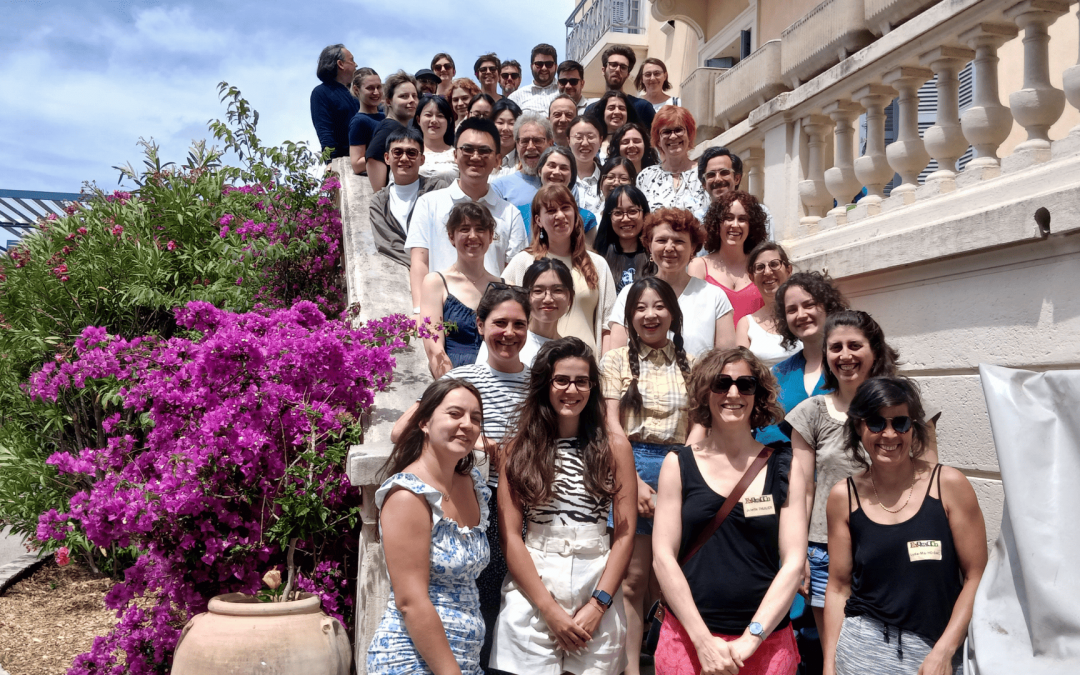
Graduate School Summer Schools: opportunities to learn, collaborate and broaden your horizons
Each year, the Graduate Schools of Université Paris Cité organize their summer schools, offering unique opportunities for learning, scientific exchange and collaboration. Students, PhD candidates and researchers come together to explore a wide range of topics,...
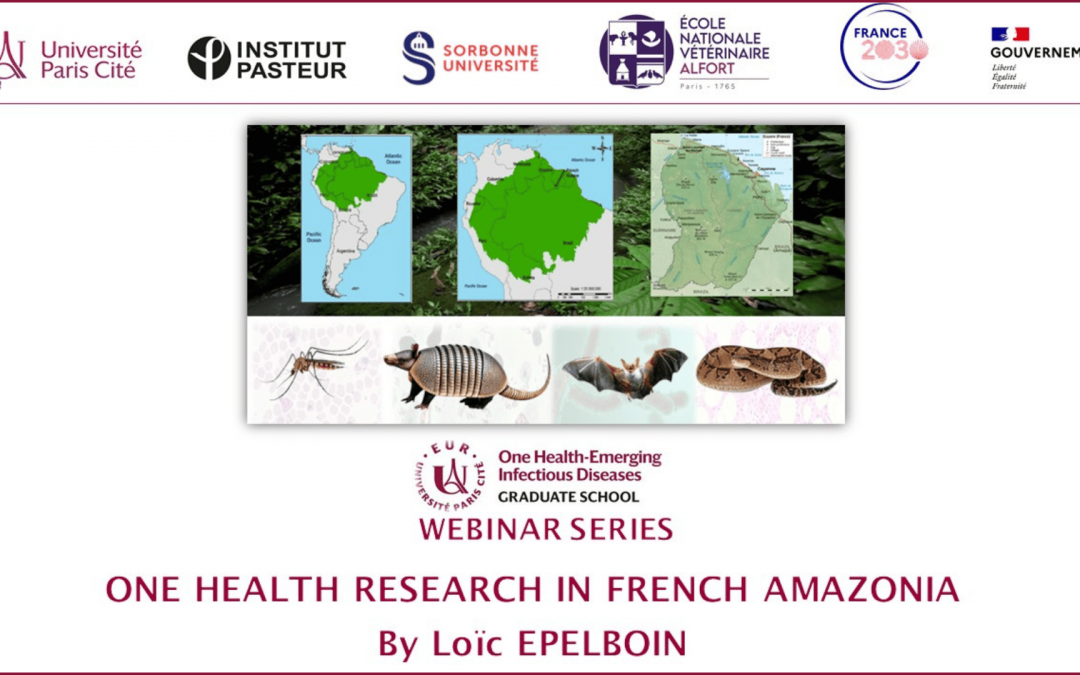
The Amazon, Viruses, and Vampires: what a year of One Health-Emerging Infectious Diseases webinars revealed to the world
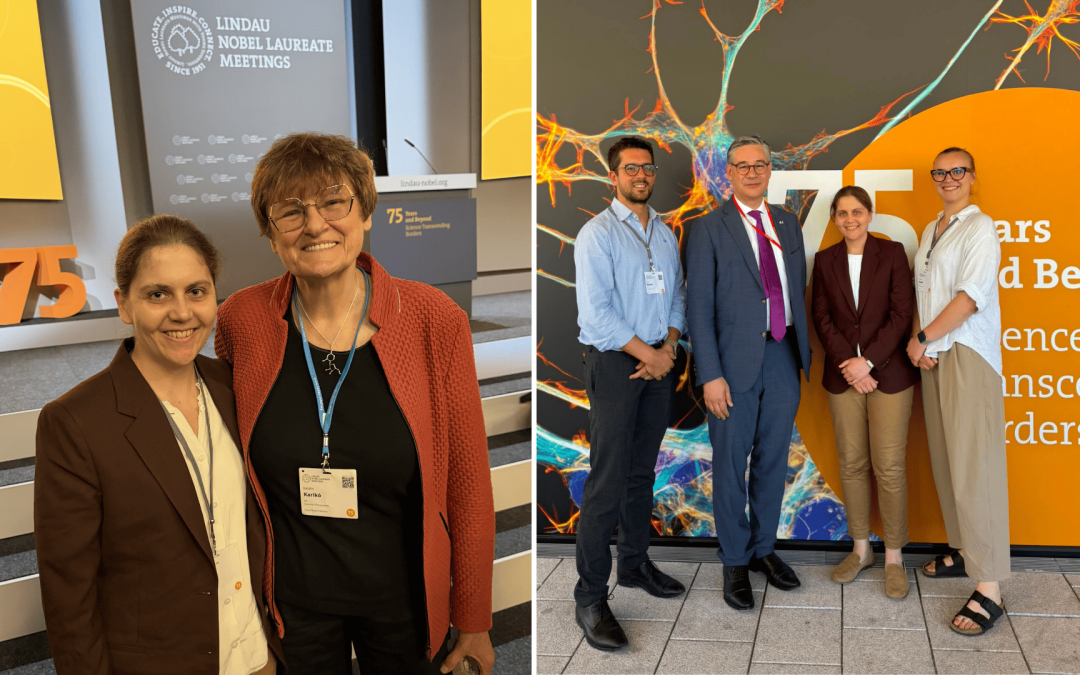
Lindau Nobel Laureate Meetings: an “extraordinary” week at the heart of scientific excellence, as told by two young researchers from UPCité
Thanks to the support of the SMARTS-UP Graduate Schools programme, Federica Namor, a PhD student at the Saint-Louis Research Institute (IRSL – Université Paris Cité/Inserm) and Marie Robert, a young doctor from the Center for Research on Inflammation (CRI – Université...
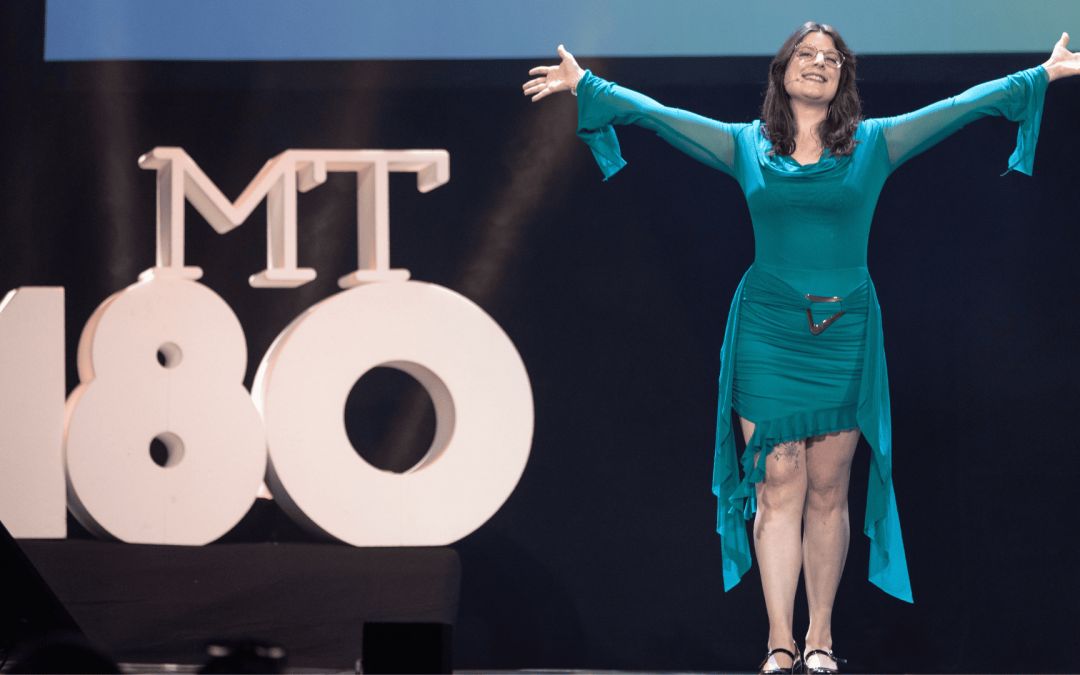
Antimicrobial resistance: doctoral researcher Yaëlle Wormser explores a new lead to speed up tuberculosis research
Antibiotic resistance represents one of the greatest health threats of our time. Through her research, Yaëlle Wormser, a doctoral researcher within the university's Antimicrobial Resistance Graduate School and winner of the "Ma thèse en 180 secondes" competition,...