

The “open UE”, launched by the Graduate School Cardiovascular Sciences, brought together researchers, clinicians, and experts from diverse fields for a week to explore major issues in biomedical and translational research. Open to all students across the 29 Graduate Schools of Université Paris Cité, it offered a unique space for learning and interdisciplinary exchange.
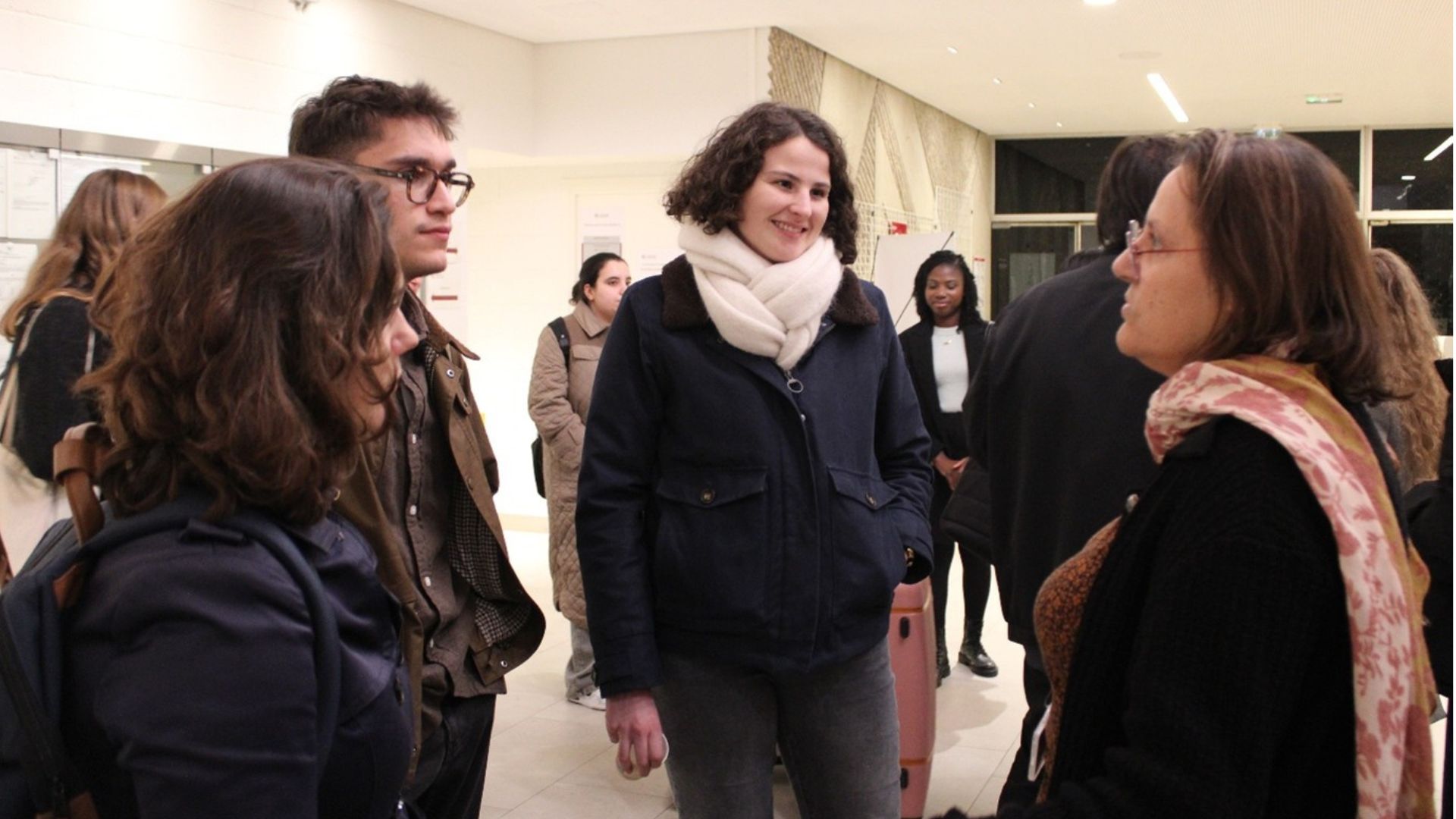
For an entire week, students from the various Graduate Schools came together—mostly online—to meet speakers with diverse and inspiring backgrounds.
The program included courses ranging from the history of major medical discoveries to scientific integrity, as well as sociology, anthropology, and the study of ethnic groups to better understand certain pathologies. This diversity of approaches and perspectives enriched every session
Giuseppina Caligiuri, cardiologist, researcher, head of the Graduate School Cardiovascular Sciences, initiated this “open EU” and is pleased with this first edition:
“The speakers fully engaged by making their presentations accessible and understandable to everyone, even though the audience didn’t necessarily share the same background. They provided information that could interest each student from different perspectives. The idea was to offer an external viewpoint on research, to show that it can be significant on multiple levels. I see this with more experienced researchers, who are very focused on ‘research’ and often struggle to take a step back. I thought it might be important to foster this broader perspective from the start: so that students enter their master’s program eager to learn their discipline, but already equipped with a wider lens. It was gratifying to see that students responded positively to presentations that were far removed from their own fields. It engages them on other levels: social, societal, and even professional.”
A week particularly appreciated by students, most of whom come from medical and scientific backgrounds:
“I loved the week. It gave us a great perspective on the world of science in general. It was also an excellent introduction to all the pitfalls in science, laboratory research, and the precautions you need to take when aiming to produce a solid scientific paper.” Kevan, student from Cardiovascular Sciences Master Programme.
“I found this week very enriching, with a wide variety of courses. It allowed us to see the different careers that exist in the world of science : there’s more than just research! For example, we met a science journalist who, after completing her PhD, moved into journalism. I had no idea you could do that, and I found it really interesting.” Seyfa, student from Cardiovascular Sciences Master Programme.
“Overall, I found the courses very engaging and covering a wide variety of topics. They offered a broad perspective on cardiovascular sciences, going beyond biology. It allowed me to gain several perspectives I hadn’t had before, which I found very interesting. The course that particularly stood out to me was the one on ethics, as it is such an important area. Ethics is often mentioned but not really explored in depth, so having a full day dedicated to this topic was extremely enriching.” Titouan, student from Cardiovascular Sciences Master Programme.
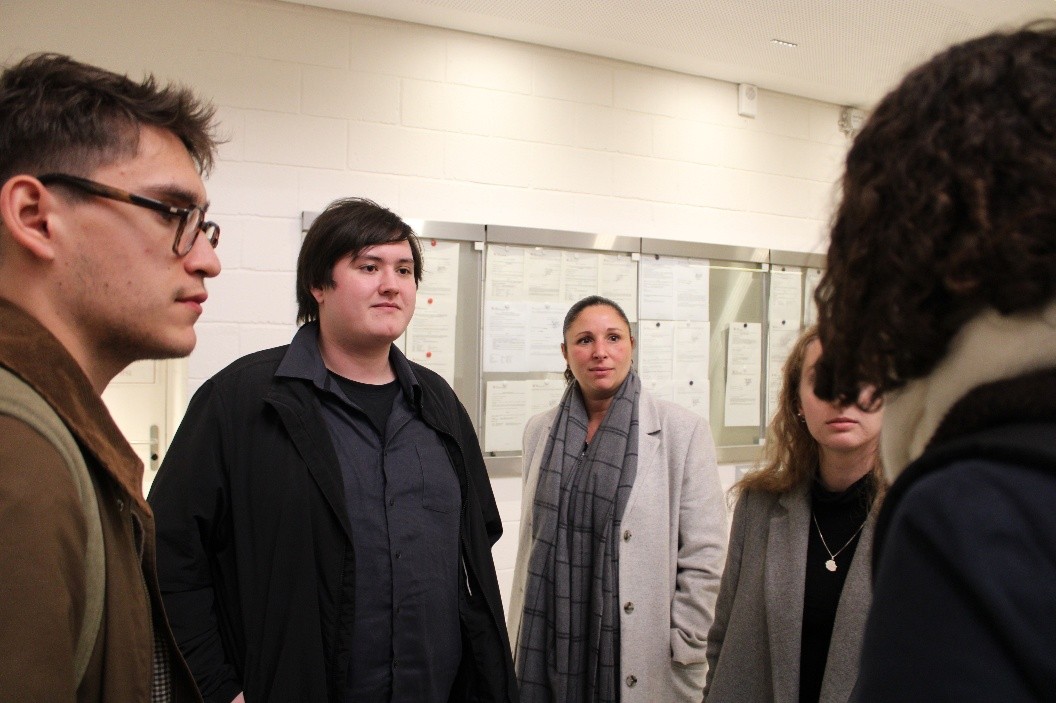
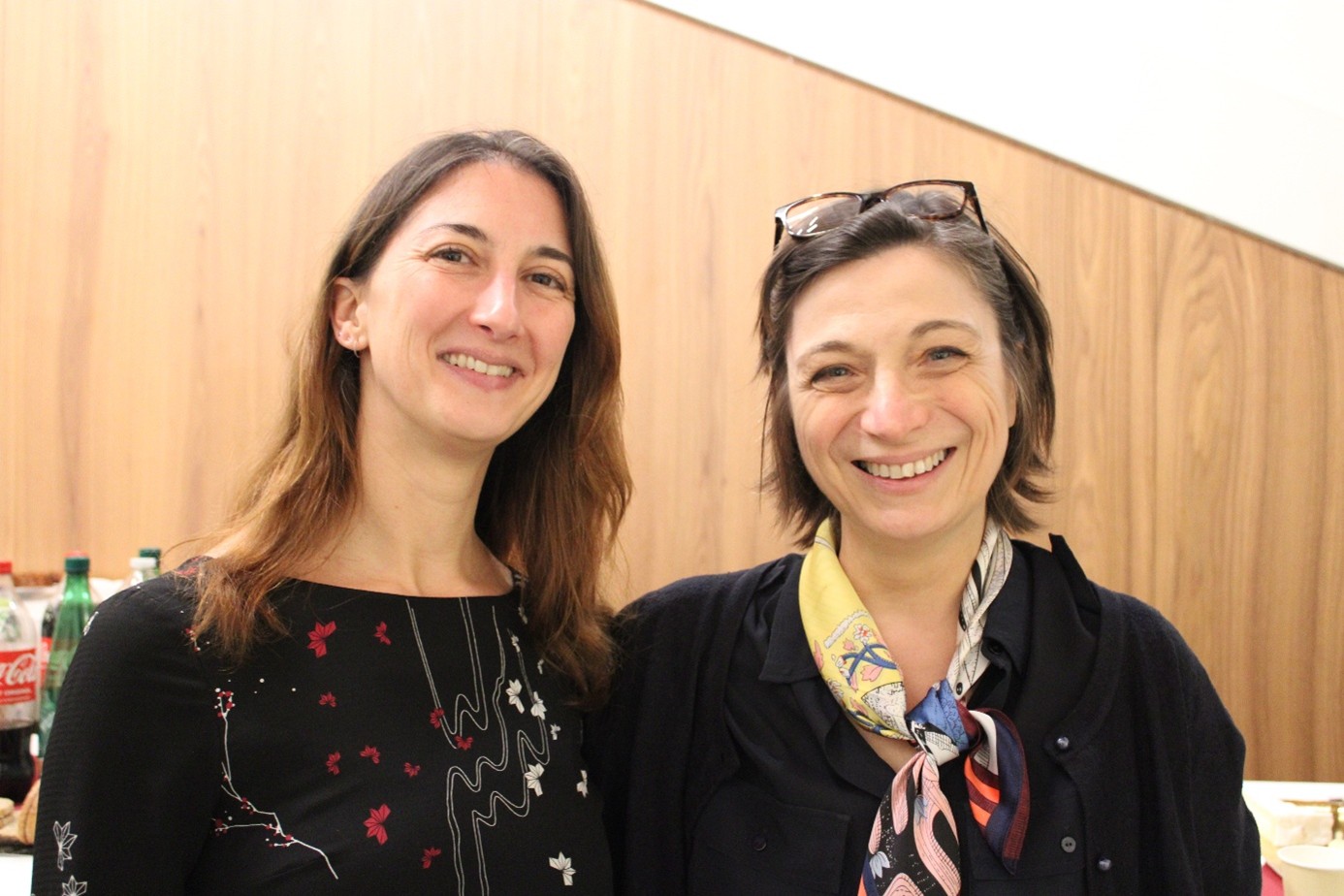
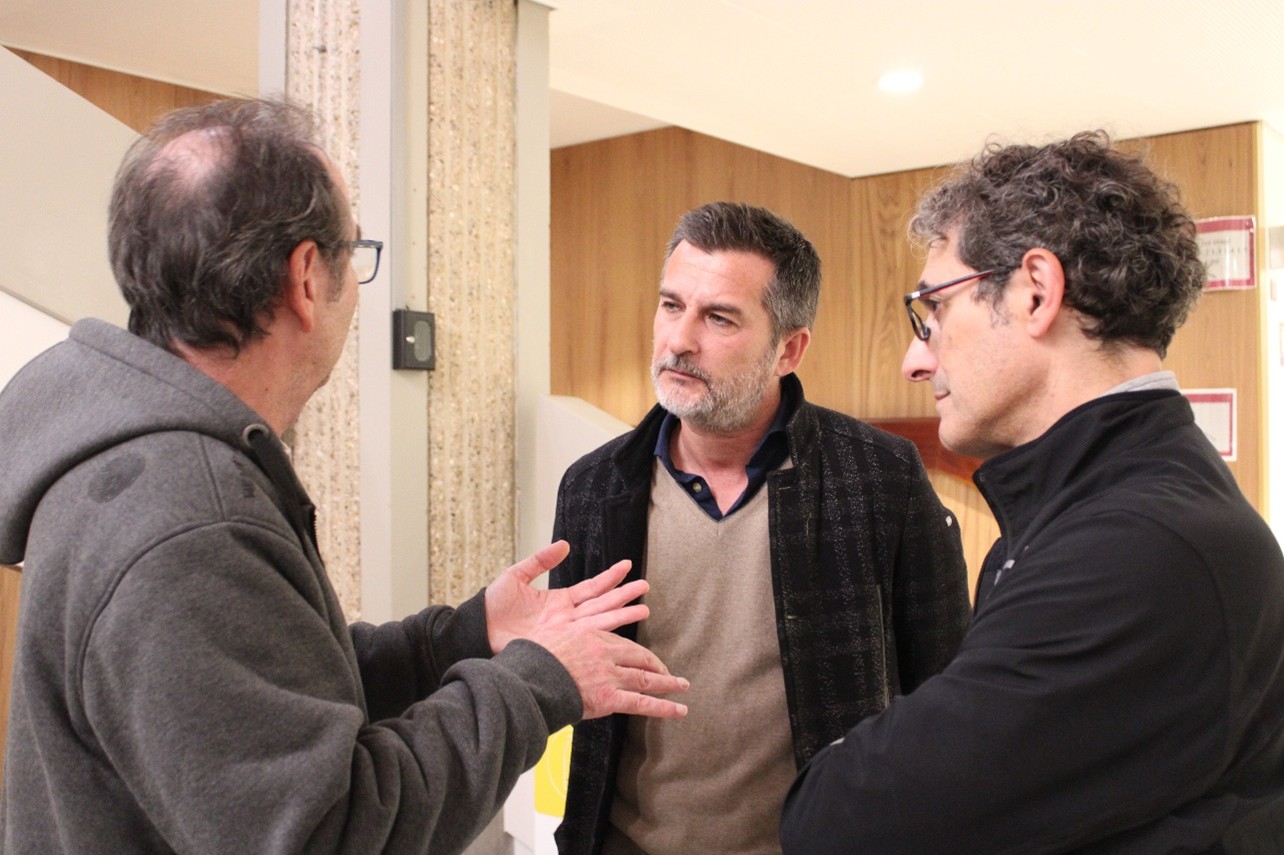
This “Open UE” concluded with an in-person day, during which speakers and students had the pleasure of engaging in practical workshops, before coming together for a friendly networking cocktail.
À lire aussi
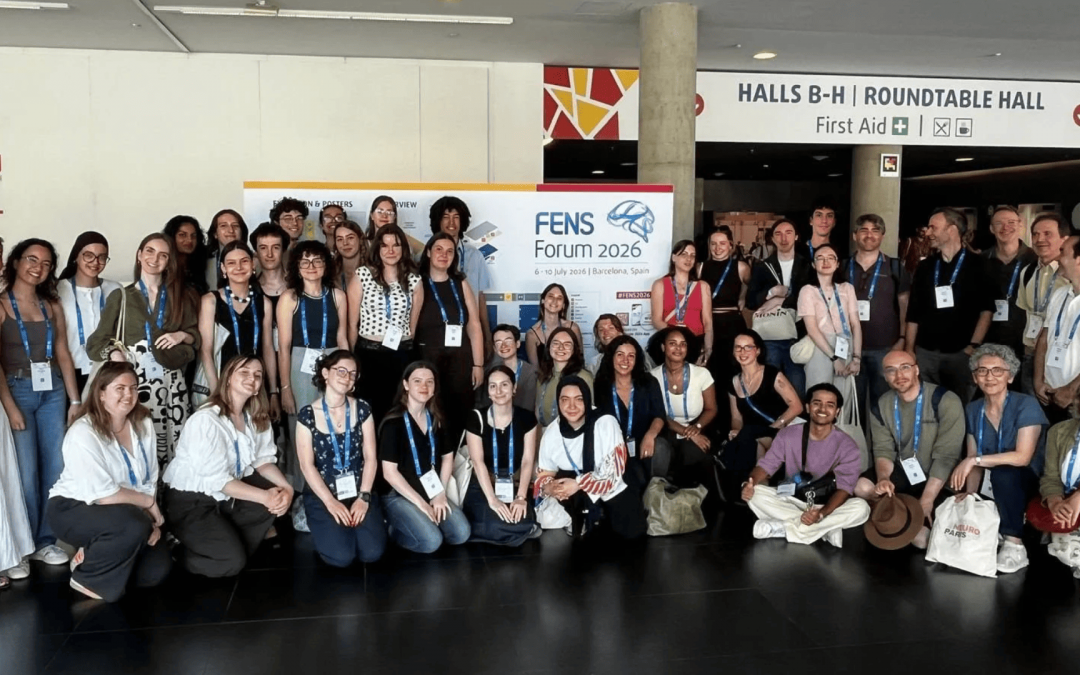
FENS 2026: Graduate School Neuroscience students at the heart of international research
This summer, 25 Master's students from Université Paris Cité's Neuroscience Graduate School attended the FENS (Federation of European Neuroscience Societies) Forum 2026 in Barcelona, Europe's leading neuroscience conference. This was a unique opportunity to immerse...
Eiffel Excellence scholarship 2027
The Eiffel scholarship programme launched by France’s Ministry of Europe and Foreign Affairs is now open for the 2027–2028 academic year. The programme enables international students to benefit from a mobility grant and pursue courses at the master’s and doctorate...

Call for Interdisciplinary Research Proposals: Sciences Po & Université Paris Cité 2026
As part of the partnership between Université Paris Cité and Sciences Po, a new call for proposals has been launched to identify large-scale, interdisciplinary and collaborative research projects addressing major contemporary issues. This call will take place in two...
A journey to self discovery – the story of a Circle U. Student Fellow
What if one conference could change the direction of your studies and make you rethink what you want to do with your future? This is the story of Emma, who discovered a new path through an unexpected Circle U. opportunity. Her experience is a reminder of the value of...