

Cultural Tips during your stay in France
There are very often hidden aspects of a culture that may not seem obvious that are discovered only after staying in the country for an extended period of time. Below are a handful of tips to help you navigate through the cultural adjustment.

Navigating through cultural differences
- Stay connected and socialize: It is important not be alone and have social support ;
- Connect with students from your home country; meet other international students in the local community. Join student associations ;
- Be open to new experiences, perspectives and try to understand the French culture ;
- Speak French as much as possible, even if it is not your native language.
Do not be afraid to make mistakes, your French does not have to be perfect ! - Suspend judgement on things that are new — they may be different than what you are used to, but they are not necessarily “good” or “bad”.
Preparation
First and foremost, it is recommended to prepare your stay before arriving in France. Read about the history, manners, connect and ask questions with French people you may already know to get familiarised with the French culture.
French values
The French national motto “Liberty, Equality, and Fraternity” reflects the core values of French society. Equality and unity are important to the French. Liberté, Egalité, Fraternité’are often identified as essential to what it means to be ‘French’. For many, the values of equality and fraternity indicate that the French are a unified and undivided group. The origin of the motto goes back to the French Revolution of 1789 and was integrated into the 1958 French constitution.
Manners, politeness & greetings
The French are sensitive to early friendliness and lack of formality, which makes politeness an important value in France. The word “Bonjour” is the cornerstone to politeness in France. When you enter a shop, a classroom, or greet someone, always ensure that you say ‘Bonjour’, otherwise you will appear as being rude. The ‘bonjour’ is usually followed by a handshake in a formal context or ‘les bises’ or kiss one on each side of the cheeks. The kisses on the cheeks demonstrate affection, friendship or respect. These customs have evolved with the global pandemic and may change over time. They are nevertheless traditional ways of greeting one another and are unavoidable in the french culture.
Communication style
French is such an exact language that it is difficult not to be direct when using it. Try to be precise at all times, the language itself facilitates this. While the language may facilitate directness, French communication styles may go from being explicit and frank, to just the opposite, implicit. As a student, you may need to ‘read in between the lines”. It is recommended to ask questions in case of doubt whatever the situation maybe.
“Vous or tu”
Unlike english, the french language has two ways of saying “you”, to be used depending on the degree of formality and to whom you are addressing. “Vous” is the formal tense which also illustrates hierarchy; inherent in French culture which influences social interactions. ‘Tu’ is informal, used with friends and family. In general, before you use ‘tu’ to someone you do not know or your professor, is it best to always initiate the conversation using the formal tense to respect politeness and formality.
Debating
French people love to discuss, talk, convince and debate about ideas, social and current events; it is simply a part of the French way of life. It is considered as an intellectual exercise. The French like to see things from all angles. Be willing to discuss topics and projects at length. Show that you respect the French point of view, even if it may differ from your own. When expressing yourself, be logical and avoid contradictions.
Read more
Eiffel Excellence scholarship 2027
The Eiffel scholarship programme launched by France’s Ministry of Europe and Foreign Affairs is now open for the 2027–2028 academic year. The programme enables international students to benefit from a mobility grant and pursue courses at the master’s and doctorate...
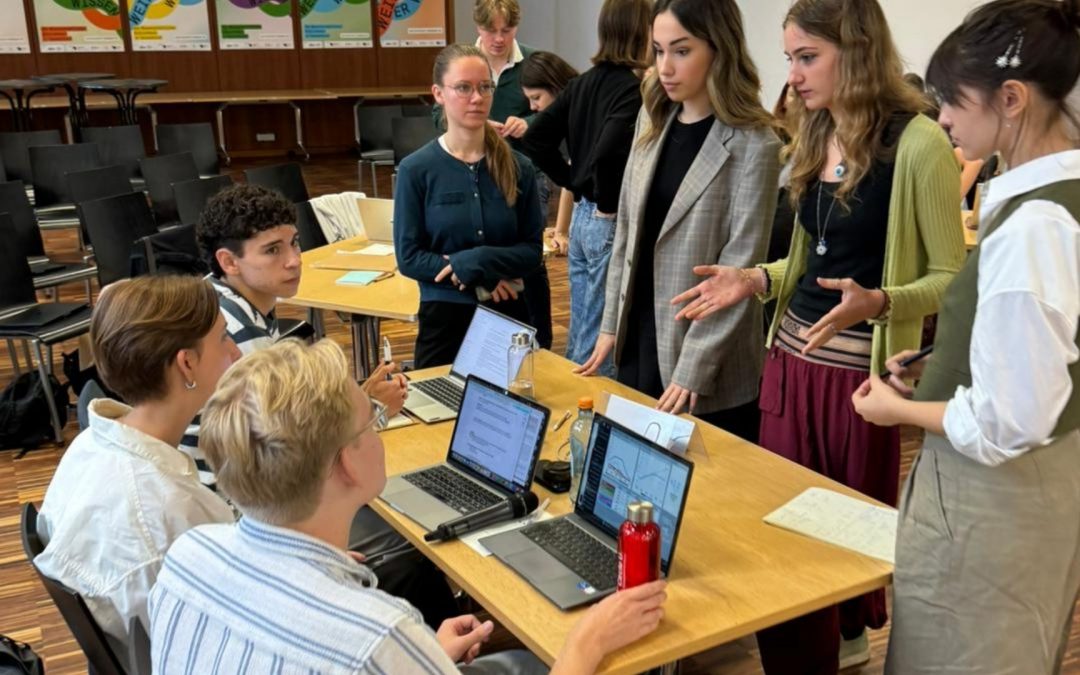
Do you have to be bilingual to participate in Circle U. activities
Going abroad to study in a foreign language can seem intimidating. Yet a first experience may be all it takes to build confidence and take the leap. Irina tells us how taking part in one of Circle U.’s summer schools helped her gain confidence and prepare for a...
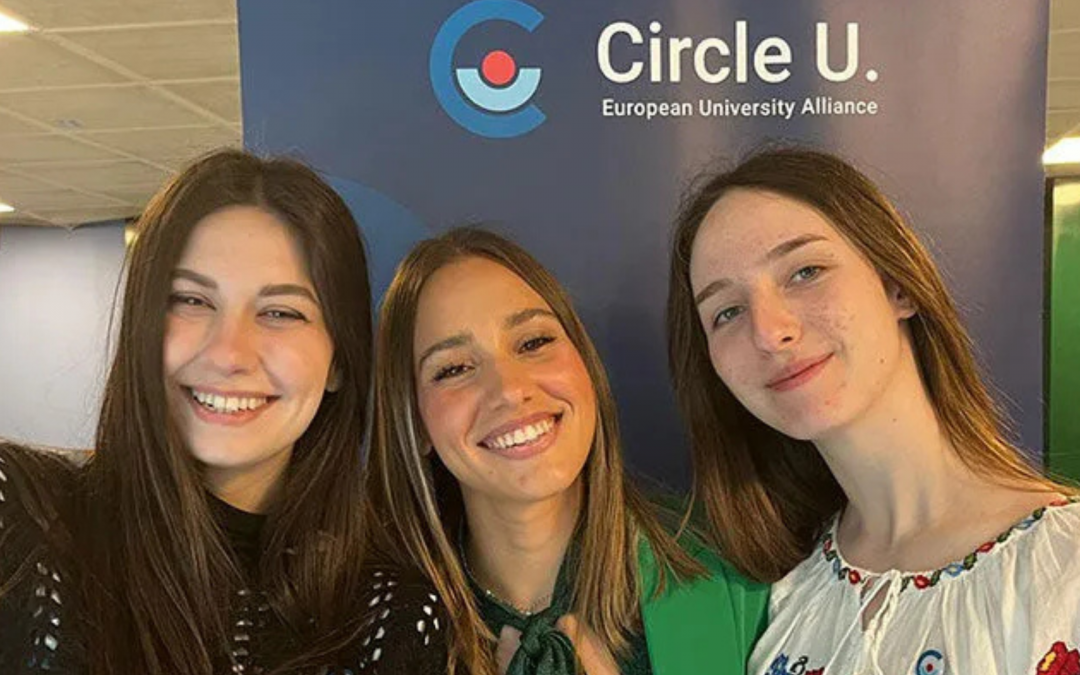
How Circle U. helped me define my career path
Susanna’s journey with Circle U. began with an online course. This first experience allowed her to discover the alliance and marked the beginning of a journey that led her to become a student ambassador, pursue a double degree in Paris, and complete an internship at...

A journey to self discovery – the story of a Circle U. Student Fellow
What if one conference could change the direction of your studies and make you rethink what you want to do with your future? This is the story of Emma, who discovered a new path through an unexpected Circle U. opportunity. Her experience is a reminder of the value of...