

Institut de physique du globe de Paris
The Institut de physique du globe de Paris (IPGP) is a component institution of Université Paris Cité with 300 students, 2 research laboratories, 450 researchers, teacher-researchers, administrative and technical personnel. It is also a leading institution of higher education and research in Earth sciences, in charge of the permanent observation of telluric processes (volcanism, seismicity, magnetic field).
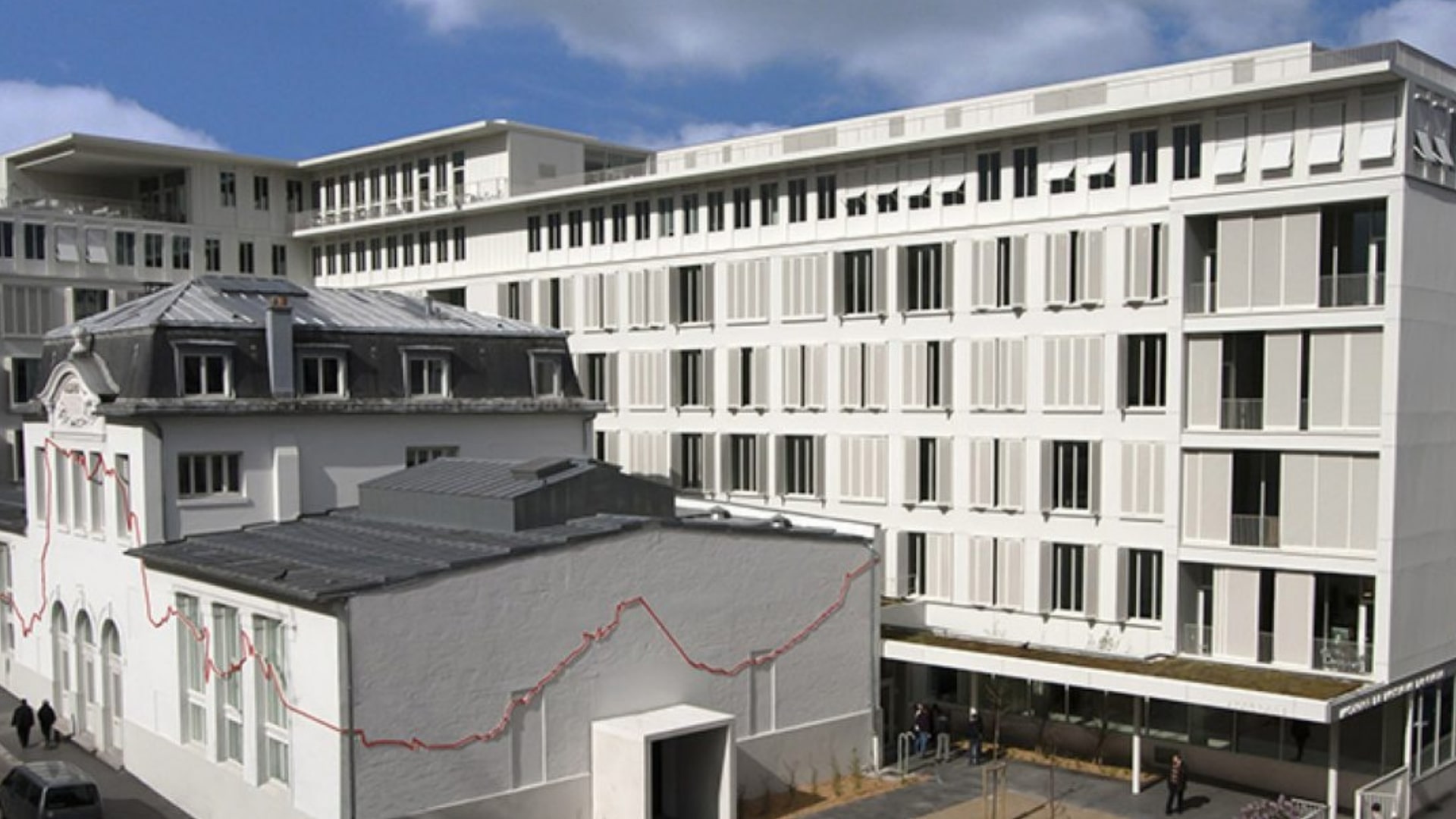
Main building of l’institut de physique du globe de Paris (1 rue jussieu, 75005 Paris)
IPGP conducts research in all fields of solid Earth studies by combining observation, experimentation, laboratory analysis and measurement, and the construction of conceptual, analog and digital models. IPGP’s research is organized around four main themes: Earth and Planetary Interiors (structure, composition, evolution and dynamics of the deep Earth and the planets), Natural Hazards (lithospheric processes, seafloor, tectonics, volcanism, earthquakes, landslides, space weather), Earth System (critical zone, large surface cycles, effects of human activities, biosphere-hydrosphere-geosphere interactions), and Origins (of the solar system, planets, Earth, life, oceans, atmosphere). The Institute’s research teams have developed and operate high-level experimental and analytical equipment, most of which is grouped together in instrumental platforms open to the academic and industrial world.
The institute is responsible for the observatories of the three active volcanoes in France (La Soufrière in Guadeloupe, Montagne Pelée in Martinique and Piton de la Fournaise in Reunion Island). It likewise operates a network of 33 seismic stations and 11 magnetic observatories around the world, as well as the national magnetic observatory in Chambon-la-Forêt.
IPGP provides degree programs, from bachelor’s to doctorate level, whose objective is to prepare geoscience students for the world of fundamental and applied research, for professions related to the exploration and management of natural resources, as well as for those in the environmental field. IPGP’s position in the world of international research enables it to attract highly motivated students from France but also from Europe, America, Asia and Africa.
IPGP, a historical partner of Paris Diderot University, whose foundation dates back almost a century (1921), became a major higher education and research institution in 1990. This status was awarded to it following a gradual awareness on the part of the State, particularly after the volcanic crisis at the Soufrière de Guadeloupe in 1976, of the need to have an institution in France capable of possessing specific operational capacities that are guaranteed over the long term, enabling it to acquire and make accessible to the community high-level scientific data on the state of the three active volcanoes in France and to be a reference scientific institution for the authorities and the French government.
To fulfill its missions, IPGP is supported by a governance system that integrates research, observation and teaching. Its status as a major establishment enables it to rely on dedicated and secure means over the long term to guarantee uninterrupted observation, rapid and continuous transmission of observation data, their scientific interpretation at the highest level, and very rapid reactivity in the event of a crisis.
Website: L’Institut de physique du globe de Paris
Read more

Call for Interdisciplinary Research Proposals: Sciences Po & Université Paris Cité 2026
As part of the partnership between Université Paris Cité and Sciences Po, a new call for proposals has been launched to identify large-scale, interdisciplinary and collaborative research projects addressing major contemporary issues. This call will take place in two...

A journey to self discovery – the story of a Circle U. Student Fellow
What if one conference could change the direction of your studies and make you rethink what you want to do with your future? This is the story of Emma, who discovered a new path through an unexpected Circle U. opportunity. Her experience is a reminder of the value of...
Université Paris Cité stands out once again in the 2026 Shanghai thematic ranking
The Shanghai Global Ranking of Academic Subjects (GRAS) has just unveiled its results for the 2026 edition on Tuesday 15 September. Université Paris Cité has excelled by being ranked in 26 disciplines - including 10 in the global top 50 - and by achieving 1st place in...
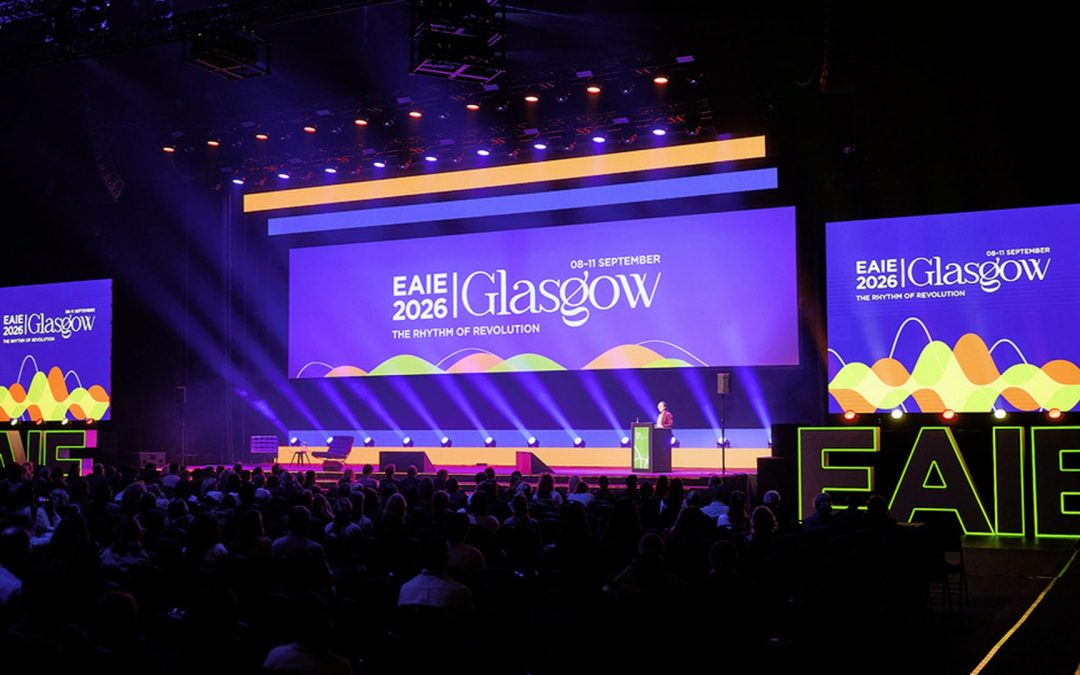
Université Paris Cité at EAIE 2026 in Glasgow
From 8 to 11 September, Université Paris Cité took part in the EAIE (European Association for International Education), the largest European higher education exhibition, held in Glasgow. As Europe's premier hub for higher education professionals, the EAIE brings...